

Views: 0 Author: Site Editor Publish Time: 2026-08-28 Origin: Site


High-volume motorway sites operate on razor-thin margins where transaction speed and equipment uptime are the primary drivers of profitability. You simply cannot afford sluggish performance when hundreds of commercial trucks and passenger vehicles arrive daily. Long queues quickly turn potential customers away. Upgrading or building a large fuel station requires moving beyond standard retail pumps. You need heavy-duty equipment engineered for sustained, high-throughput delivery. These robust units must resist severe mechanical degradation and avoid costly calibration drift over time. This guide breaks down how to evaluate and shortlist the right fuel dispenser fleet for your specific forecourt layout. We will carefully examine flow rates, internal component durability, and seamless system integration capabilities. You will learn how to optimize lane efficiency, minimize maintenance delays, and protect your site's overall revenue stream.
Motorway sites require dispensers engineered for peak-demand surges; standard pumps degrade quickly under continuous high-volume use.
Evaluating a commercial fuel dispenser goes beyond initial price—priority must be given to internal component durability (valves, dual pumps, meters).
A multi nozzle dispenser configuration maximizes forecourt lane efficiency, reducing queuing during seasonal traffic spikes.
Compliance (UL/ATEX listings) and seamless integration with existing Point of Sale (POS) and remote monitoring systems are non-negotiable for risk mitigation.
Motorway service environments differ fundamentally from local neighborhood sites. Local stations experience predictable, steady traffic flows throughout the week. Motorway locations endure relentless, continuous operation. They handle a heavy mix of commercial transport vehicles alongside passenger cars. Seasonal holidays trigger massive traffic surges. Equipment must perform flawlessly under these intense, prolonged demand cycles.
Slow flow rates directly impact your bottom line. When dispensing speeds drop, queues extend into the roadway. Impatient drivers simply bypass your location. Furthermore, out-of-order tags signal unreliability to regular fleet operators. A lost fuel sale also means losing highly profitable convenience store revenue. Drivers buying fuel often purchase food, drinks, and travel supplies. A slow pump directly chokes off this crucial ancillary income.
Continuous mechanical operation generates heat and friction. This intense activity often leads to calibration drift. Dispensing accuracy falters during prolonged peak demand. If meters drift negatively, you face severe regulatory fines for shortchanging customers. If they drift positively, you give away free product. Maintaining absolute accuracy under pressure remains critical for protecting your margins.
Common Mistake: Installing standard retail pumps at a highway location to save initial costs. They will inevitably fail prematurely under continuous heavy use.
Best Practice: Always specify equipment rated specifically for continuous 24/7 commercial duty cycles.
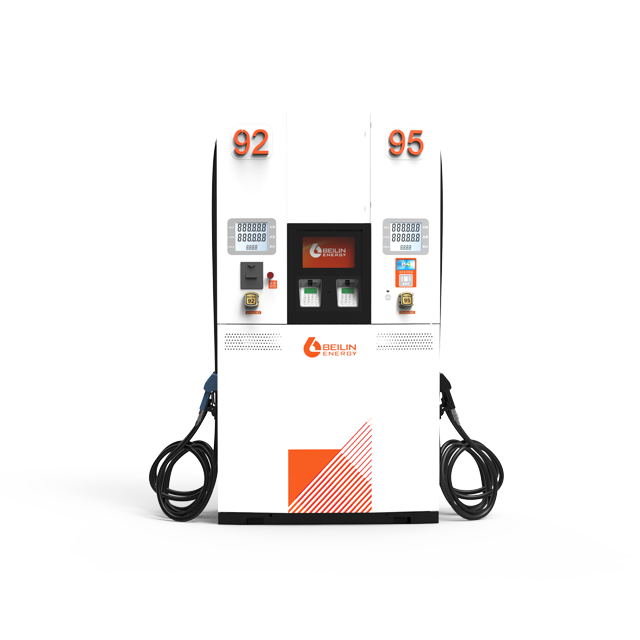
Throughput benchmarks define operational success on the forecourt. Passenger lanes demand specific Gallons Per Minute (GPM) or Liters Per Minute (LPM) metrics. Commercial lanes require vastly different performance levels. A standard passenger vehicle fills adequately at 10 to 12 GPM. Commercial trucks possess massive dual tanks. They require flow rates exceeding 60 GPM. Selecting a high volume fuel dispenser ensures you meet these diverse requirements.
You must understand the difference between theoretical peak rates and sustained rates. Manufacturers often advertise absolute maximum flow. However, peak flow only occurs under perfect conditions for short bursts. Sustained flow indicates real-world performance under continuous load. Continuous load involves multiple nozzles operating simultaneously across the site. You need equipment delivering reliable sustained rates during your busiest operational hours.
Lane Classification | Target Vehicle Type | Recommended Sustained Flow | Key Operational Focus |
|---|---|---|---|
Standard Passenger | Sedans, SUVs, Light Trucks | 10 - 12 GPM (38 - 45 LPM) | Fast transactions, vapor recovery |
High-Traffic Passenger | RVs, Vehicles towing trailers | 15 - 22 GPM (57 - 83 LPM) | Hose reach, rapid filling |
Commercial Master/Satellite | Heavy-duty transport trucks | 60+ GPM (227+ LPM) | Simultaneous dual-tank filling |
Lane space represents valuable real estate. A multi nozzle dispenser drastically improves forecourt efficiency. This configuration allows simultaneous dispensing of various fuel grades from a single island. It reduces the physical equipment footprint. It also prevents drivers from repositioning their vehicles to access different products. Serving more vehicles per minute maximizes your hourly throughput.
Ergonomics play a vital role in customer satisfaction. Reliable hose retractors keep heavy lines off the concrete. This prevents abrasive wear and tripping hazards. High-reach hoses accommodate oversized vehicles easily. Trucks, recreational vehicles, and cars towing trailers need extended reach. Quality retractors ensure smooth operation without straining the driver or the equipment.
Internal durability separates standard units from professional equipment. A true commercial fuel dispenser utilizes redundant pumping architecture. Dual pumps and oversized motors handle heavy workloads effortlessly. If one pumping unit experiences a minor fault, the secondary unit maintains operation. This redundancy prevents devastating bottlenecks during Friday evening rushes.
Large-bore valves and robust hydraulics are mandatory. High-velocity fluid transfer generates significant internal pressure. Standard narrow piping causes fluid friction. Friction leads to foaming, which artificially slows down the fill rate. Larger internal pipes accommodate high flow without excessive wear. They transfer fluid smoothly, keeping the transaction quick and efficient.
Heavy-duty meters maintain precision over millions of pumped gallons. Piston meters offer reliable positive displacement. They work well for standard applications but experience friction over time. Coriolis mass flow meters provide a superior alternative for extreme volume. They contain no moving parts internally. This design eliminates mechanical wear and maintains perfect calibration much longer.
Advanced filtration protects your investment. Pumping massive daily volumes pulls sediment from underground storage tanks. This particulate matter damages vehicle engines. It also destroys the dispenser's internal valves and meters. High-capacity, advanced filters capture microscopic debris. Superior filtration ensures steady flow rates and protects your equipment from catastrophic internal scoring.
Regulatory compliance is non-negotiable for highway operators. Mandatory certifications prove equipment safety in volatile environments. North American operators must look for strict UL (Underwriters Laboratories) listings. European sites require ATEX directive compliance for explosive atmospheres. Equipment must also strictly adhere to local Weights and Measures standards. These certifications mitigate your legal and operational risks.
Highway stations attract sophisticated criminal activity. Payment security requires continuous vigilance. You must install EMV-compliant payment terminals at every fueling position. Anti-skimming technology detects unauthorized card readers instantly. Tamper-resistant physical enclosures protect the internal electronics. Strong physical locks and encrypted keypads deter tampering. Protecting customer data builds trust and prevents devastating financial liabilities.
Modern forecourts rely on seamless digital integration. Dispensers must communicate flawlessly with central forecourt controllers. They also need integration with Automatic Tank Gauges (ATGs). This connected ecosystem enables predictive maintenance. Managers monitor flow rates in real-time from a dashboard. A sudden drop in sustained flow instantly signals a clogged filter. Early detection prevents unexpected lane shutdowns during peak traffic hours.
Replacing existing equipment introduces significant operational risk. Tearing up concrete islands causes massive disruption. You must carefully evaluate footprint compatibility before purchasing new units. Many manufacturers offer retrofit frames. These frames allow new units to mount directly onto existing plumbing configurations. Minimizing civil engineering work reduces your installation downtime from weeks to mere days.
Common Mistake: Ordering equipment without verifying the bolt pattern of your current concrete islands.
Best Practice: Conduct a thorough site survey. Specify adapter plates to match existing sub-pump plumbing.
High-volume sites require aggressive maintenance scheduling. Standard stations might change filters quarterly. Motorway sites often require monthly filter replacements to maintain peak flow rates. You must schedule these interventions strategically. Perform filter changes during late-night lulls, never during daytime rushes. Calibration checks also demand higher frequency. Pumping millions of gallons necessitates proactive diagnostic testing to ensure meter accuracy remains tightly controlled.
Selecting the right equipment requires a systematic approach. Do not rely solely on manufacturer brochures. You need a data-driven procurement strategy.
Needs Assessment: Audit your current peak-hour traffic data. Identify exact times when queues form. Pinpoint which specific lanes suffer from flow bottlenecks. Use this data to define your baseline throughput requirements.
Vendor Vetting: Evaluate manufacturers based on post-installation support. Check their local service technician network. Investigate parts availability in your specific region. Demand clear warranty terms specifically covering commercial-grade, continuous usage.
Next Steps: Ask vendors for verifiable pilot data. Request case studies demonstrating success in similar highway environments. Consider running a 90-day pilot test on your busiest lane before committing to a site-wide rollout.
Upgrading your forecourt equipment represents a critical investment in throughput and resilience. Highway environments punish weak machinery. You must deploy robust solutions engineered specifically for continuous, high-capacity operation. Prioritize internal component durability above initial purchase price.
Careful evaluation prevents costly premature replacements. Focus strictly on sustained flow rates, multi-product configurations, and heavy-duty metering technologies. Ensure seamless integration into your existing digital infrastructure. By taking these steps, you safeguard your operational efficiency.
We recommend consulting a certified equipment integrator today. Request a comprehensive, site-specific flow-rate audit. This professional assessment will reveal hidden bottlenecks and guide your final procurement decision effectively.
A: A high-volume unit features larger internal piping diameters and upgraded motor capacities. It sustains maximum GPM/LPM continuously without overheating. Standard pumps use smaller components that degrade rapidly and lose calibration under relentless highway traffic demands.
A: It allows customers to access varied fuel grades, like diesel, premium, or standard, from a single physical point. This eliminates the need for vehicles to reposition or change lanes. It optimizes forecourt space and processes more vehicles per hour.
A: Passenger vehicles require sustained rates of 10 to 22 GPM. Heavy-duty commercial trucks require much faster delivery. Look for systems capable of 60+ GPM to service ultra-high volume truck stops efficiently without causing lane backups.
A: Recalibration frequency varies by local regulation, but highway sites require far more diagnostic checks than standard stations. The sheer volume of fluid passing through the meters causes faster wear. Operators should perform proactive accuracy tests quarterly to prevent drift.


