

Views: 0 Author: Site Editor Publish Time: 2026-07-08 Origin: Site


Modern forecourts face a constant and frustrating operational challenge every single day. Operators must strictly balance peak-hour customer throughput against highly limited physical space. Long queues quickly frustrate drivers, pushing them to abandon the site for competitor locations. We see this lost revenue occur daily when stations rely on outdated, single-hose infrastructure. Upgrading your forecourt directly addresses this severe bottleneck. Modern setups allow simultaneous dispensing or multiple product offerings from the exact same physical footprint. You can effectively double your service capacity without pouring expensive new concrete or expanding your canopy.
This comprehensive guide delivers a bottom-line evaluation framework for site operators and fuel retailers. We will help you select, install, and maintain the ideal hardware for your specific forecourt environment. You will learn exactly how to evaluate your current site readiness. By following these guidelines, you will maximize your operational return on investment and ensure strict regulatory compliance across your entire fueling network.
Throughput is Revenue: Dual hose configurations optimize forecourt real estate, directly reducing peak-hour customer abandonment.
Compliance is Non-Negotiable: Proper selection must account for local Weights and Measures regulations, EMV payment compliance, and environmental safety standards.
Site Reality Dictates Selection: Underground storage tank (UST) infrastructure and existing piping will limit or dictate your hardware options.
Drive-offs represent a massive source of lost revenue for modern fuel retailers. When forecourts become congested during morning commutes or evening rushes, impatient drivers simply leave. You lose both the immediate fuel sale and the high-margin in-store purchases they would have made. Implementing a dual hose fuel dispenser immediately addresses this daily congestion. It maximizes the utility of existing fueling islands efficiently. You avoid the massive capital expenditure of expanding canopies, buying adjacent land, or modifying thick concrete pads. Instead, you optimize the real estate you already own.
Operational flexibility drastically improves when you upgrade your forecourt technology. Depending on your underground piping capabilities, you can serve two vehicles simultaneously from one island. Alternatively, you can offer multiple fuel grades like standard unleaded and premium diesel at a single stop. This versatility keeps traffic flowing smoothly and eliminates confusing lane restrictions for your customers.
Operators should measure post-upgrade success using clear, data-driven metrics. Track the increased gallons sold per minute per island. Monitor the overall reduction in average queue times during your busiest peak hours. You can also measure the increase in concurrent transactions per shift. These objective metrics quickly validate your hardware investment and prove the value of increased lane efficiency.
Selecting the right gas station equipment demands a strict evaluation of hardware capabilities. Flow rate stands out as a primary technical differentiator. Standard flow rates sit around 10 gallons per minute (GPM). This suits typical passenger vehicles perfectly. However, medium-duty trucks and larger fleet vehicles require significantly higher flow rates to prevent site bottlenecks. Match your flow rate capabilities strictly to your dominant customer demographic.
Payment integration and security require equal attention during the procurement phase. Native EMV compliance is an absolute requirement to avoid staggering chargeback liabilities. Contactless payment technologies, including NFC and mobile wallets, speed up transaction times significantly. Your new hardware must integrate seamlessly with existing Point of Sale (POS) systems and backend forecourt controllers. Disconnected systems create accounting nightmares and slow down authorization times.
Durability directly impacts your long-term maintenance cycles and operational uptime. Evaluate the exterior housing materials carefully before making a purchase. Stainless steel offers superior weather resistance compared to basic powder-coated alternatives, especially in coastal or harsh winter climates. High-quality hose retractors prevent hoses from dragging heavily on the concrete. This simple mechanical feature prevents premature wear and stops expensive hose replacements.
Consider the technology and media capabilities of modern units. Integrated digital screens offer strong returns on investment. They push high-margin in-store promotions and integrate seamlessly with your customer loyalty programs. Video displays keep customers engaged at the pump, making them more likely to step inside the convenience store.
Evaluation Category | Standard Requirement | Premium Upgrade Option |
|---|---|---|
Flow Rate | 10 GPM (Passenger Vehicles) | 22+ GPM (Heavy Duty/Fleet) |
Payment Security | Standard EMV Compliance | NFC, Mobile Wallets, Biometrics |
Housing Material | Powder-Coated Steel | Corrosion-Resistant Stainless Steel |
Media Integration | Basic LCD Monochrome Screen | Full-Color Video Promotional Display |
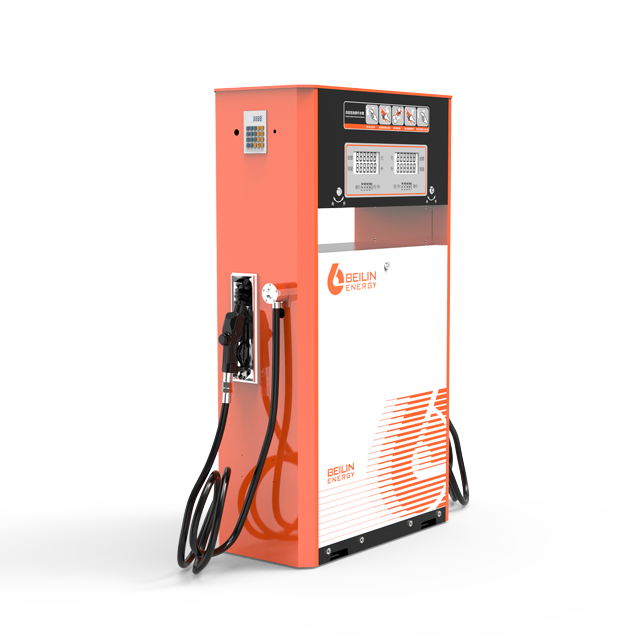
Retail and commercial environments demand fundamentally different hardware configurations to operate successfully. Retail or B2C sites must prioritize customer experience and aesthetic appeal above raw power. The hardware should look inviting, clean, and highly modern. Loyalty program integrations and crisp digital displays drive critical inside sales. Standard flow rates handle passenger vehicles safely and efficiently without overwhelming standard vehicle filler necks.
Fleet and B2B environments face completely different operational challenges. A heavy-duty commercial fuel dispenser must deliver ultra-high flow rates consistently. These rugged units often push 22 or more gallons per minute. Pumping 100 gallons into a commercial semi-truck at standard retail speeds destroys site efficiency and angers fleet drivers. Satellite compatibility is also vital for commercial sites. Satellites allow drivers to fill saddle tanks on both sides of the truck simultaneously, cutting fueling time in half. Furthermore, commercial units require seamless integration with specialized fleet management software and proprietary fuel card networks.
Hybrid sites, such as massive travel centers, face the most complex planning requirements. You must perfectly balance fast-paced consumer traffic with heavy commercial trucking needs on the exact same property. We highly recommend physically separating the auto and truck canopies. This physical separation prevents massive commercial vehicles from intimidating passenger cars. It also stops long trucks from blocking multiple retail lanes during peak hours.
Hardware failures severely disrupt forecourt operations and damage your brand reputation. Many operators look at refurbished or aftermarket units to save upfront capital during site upgrades. This approach often introduces significant and hidden operational risks. You must objectively compare those initial savings against the long-term reliability of a genuine OEM fuel dispenser. Factory-new units feature perfectly matched internal components designed to work flawlessly together under intense pressure.
Warranty coverage and exact parts availability remain critical success factors. If a refurbished unit goes down on a Friday evening, waiting for obscure aftermarket parts paralyzes your revenue stream for the entire weekend. OEM equipment comes with guaranteed, robust supply chains. You benefit immediately from comprehensive warranties backed directly by the original manufacturer. Certified technicians can source exact replacement parts locally, minimizing costly downtime.
Software ecosystems further highlight the massive OEM advantage. Proprietary pumping hardware relies entirely on continuous software support. OEMs provide regular, critical security patches to protect against skimming devices and sophisticated cyber threats. They also guarantee ongoing POS compatibility updates as industry payment standards evolve. Relying on fragmented aftermarket vendors for software support often leaves you vulnerable to payment processing disruptions and severe security breaches.
Upgrading your forecourt involves significant unseen physical complexities. Site preparation goes far beyond simply bolting down new hardware onto the concrete island. You must verify your hidden underground infrastructure first. Upgrading to a modern fuel dispenser for gas station environments will only perform as well as the pumps supplying it. Ensure your existing submersible turbine pumps (STPs) can actually support dual simultaneous flow. If your underground piping is too narrow, you will experience severe pressure drops when two hoses activate at once.
Regulatory compliance dictates extremely strict installation protocols globally. Local Weights and Measures departments require rigorous, documented calibration before you can pump a single drop of retail fuel. You must also satisfy highly stringent environmental compliance standards. This includes the proper installation of secondary spill containment buckets and fully functional vapor recovery systems.
Follow these critical installation guidelines to protect your capital investment:
Conduct a full pressure test on all existing underground piping before ordering hardware.
Verify your current STP horsepower matches the new target flow rates.
Schedule local regulatory inspections well before pouring any new concrete.
Hire only certified, brand-approved technicians for the physical and electrical connections.
Vendor selection impacts everything during implementation. Using uncertified installers immediately voids factory warranties and exposes you to immense liability. Authorized technicians ensure all safety standards are met strictly. They understand the highly specific wiring diagrams and communication protocols required by your specific POS architecture.
Selecting the best fueling hardware requires a logical, data-driven approach. Match your capabilities directly to your peak traffic volume and your primary customer demographic. Ensure seamless, native integration with your existing POS architecture to prevent daily accounting headaches. Always prioritize the strict reliability and guaranteed technical support of factory-direct equipment over cheaper, refurbished alternatives.
Take these immediate steps to begin your profitable forecourt upgrade:
Conduct a thorough engineering audit of your underground infrastructure and STP capacity.
Consult closely with a certified installation contractor to identify potential piping bottlenecks early.
Request detailed specification sheets from manufacturers to compare flow rates and payment modules objectively.
Calculate your current peak-hour drive-off rate to establish a solid baseline for measuring upgrade success.
A: Yes, but it depends entirely on the internal configuration and your site piping. A "dual hose/dual pumping" unit features independent internal meters and valves, allowing simultaneous fueling. A "dual hose/single product" unit might only allow one active hose at a time. Your underground submersible pumps must also provide enough pressure to maintain high flow rates when both nozzles activate concurrently.
A: You can typically expect a lifespan of 10 to 15 years. This timeframe depends heavily on strict adherence to preventative maintenance schedules. While the mechanical components often last longer, rapid technology obsolescence usually forces replacements. Changing EMV payment mandates and upgraded forecourt communication standards typically dictate the upgrade cycle before the hardware physically fails.
A: Not necessarily. You can often connect new top-level hardware to existing underground storage tanks safely. However, upgrading to ultra-high flow rates might require larger diameter piping or stronger submersible turbine pumps. Adding entirely new fuel types, like E85 or a dedicated diesel lane, will require either tank division or the installation of a completely new tank.


