

Views: 0 Author: Site Editor Publish Time: 2026-07-13 Origin: Site


Poor filtration quietly drains station profitability every single day. Dispenser downtime, damaged vehicle fuel injectors, and agonizingly slow flow rates quickly frustrate your loyal customers. You simply cannot afford these hidden operational penalties in a highly competitive market. Consumers expect fast service, and modern vehicles demand absolute fuel purity to function correctly.
Effective station management demands a strict multi-stage approach for fluid handling. Pre-pump and post-pump filtration systems must work together seamlessly. They balance essential internal dispenser protection against stringent external fuel purity standards. Without this delicate balance, vital mechanical equipment inevitably fails prematurely.
This guide provides a straightforward framework for your daily commercial operations. You will learn how to evaluate, select, and implement the correct coarse and fine hardware options. We will explore complex micron ratings, hardware compatibility requirements, and practical maintenance protocols to keep your fluid transfer systems running smoothly.
Effective fuel dispensing requires a two-stage approach: coarse filtration to protect internal pump mechanisms and fine filtration to protect end-user vehicle injectors.
Micron ratings must align with fuel types; applying excessively fine filters to high-viscosity or cold-weather diesel leads to premature flow restriction.
Selecting an OEM fuel filter guarantees warranty compliance, though vetted aftermarket options can offer scalable cost reductions if they meet ISO test standards.
Flow rate degradation is the primary empirical indicator for filter replacement; relying solely on time-based maintenance schedules risks equipment strain.
Unfiltered fuel carries a heavy burden of unseen particulates, sludge, and moisture. Rust, dirt, and suspended water easily destroy internal pump vanes over time. Modern high-pressure common rail (HPCR) vehicle injectors face even greater vulnerabilities. These precision automotive components operate at extreme pressures, sometimes exceeding 30,000 psi. Just a few microscopic particles of hard debris will permanently score these sensitive internal clearances. When an injector fails due to contaminated station fuel, the liability often falls directly on the retail operator.
Your primary operational goal centers on achieving the maximum possible flow rate. Station managers measure this in gallons per minute (GPM) or liters per minute (LPM). You must maintain strict ISO cleanliness codes for the dispensed liquid simultaneously. Customers naturally expect speed at the pump. Their vehicles absolutely demand fluid purity. Balancing high throughput speeds against microscopic capture efficiency remains the core challenge of modern station management.
A single barrier simply cannot handle both massive fluid volume and delicate purity requirements. If you force one internal component to do everything, it will quickly blind over and fail. Industry standards therefore dictate a highly specialized physical architecture. You must implement robust coarse fine filtration to prevent premature media blinding. This proven two-step process stops severe pressure drops before they ever start. It distributes the contaminant load intelligently across multiple capture zones.
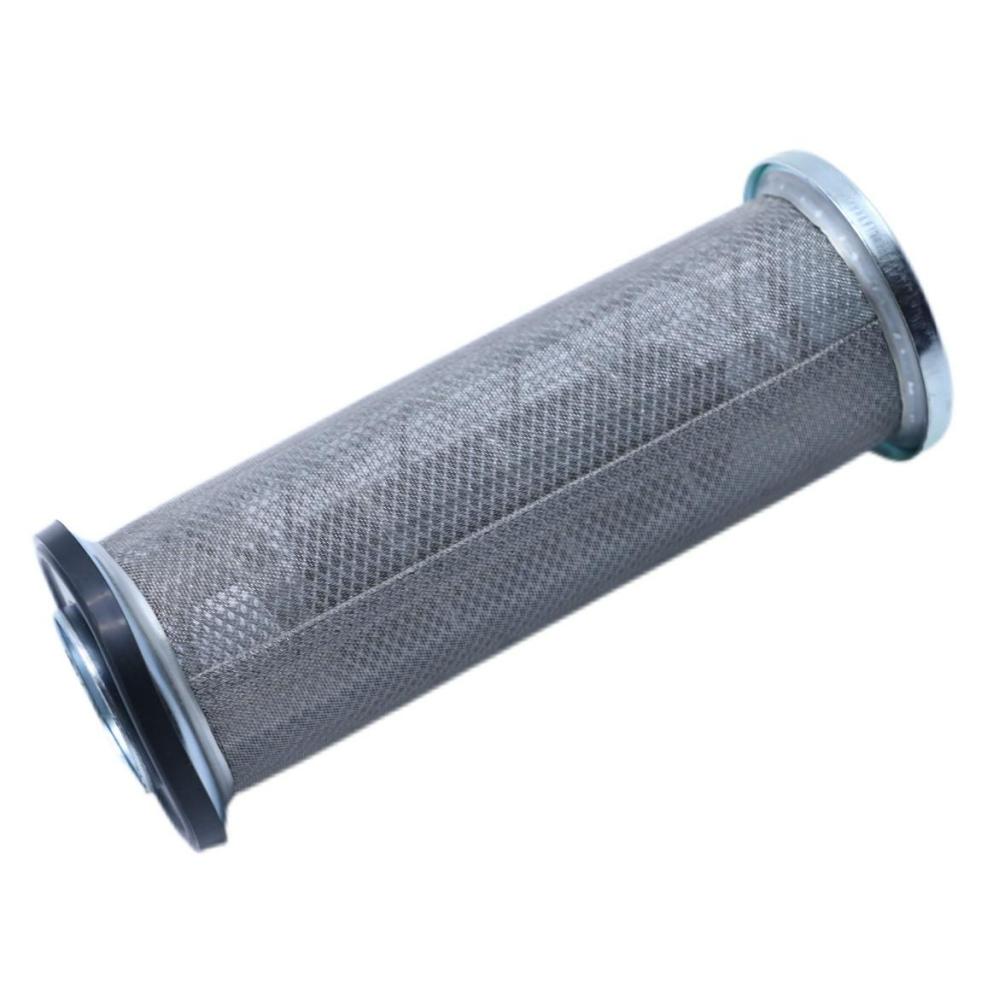
We position these rugged components directly before the main pumping unit. They act as the aggressive first line of defense for your infrastructure. They reliably capture large contaminants like rust flakes, paint chips, and heavy tank sludge. This strategic placement explicitly protects your internal suction gears and rotary vanes from catastrophic jamming. If heavy debris enters the main gear assembly, it causes immediate scoring, loss of suction, and expensive mechanical failure.
Micron ratings in this initial stage stay relatively loose and highly permeable. They generally range from 30 to over 100 microns. Media types here prioritize raw durability over microscopic capture efficiency. Manufacturers often utilize a reusable or easily replaceable fuel dispenser filter screen. This tough physical barrier usually consists of woven stainless steel mesh or a heavy-duty synthetic weave. These materials resist tearing even under extreme fluid velocity.
Structural integrity matters above all else during the pre-pump evaluation phase. The unit must comfortably withstand intense, continuous suction pressure. Weak wire screens easily collapse under heavy operational load. A collapsed mesh immediately sends a concentrated slug of dangerous debris directly into the pump housing. You must check your internal mesh regularly for any signs of physical warping or fatigue.
Inspect internal screens thoroughly during all scheduled six-month maintenance intervals.
Clean reusable metal meshes gently using manufacturer-approved petroleum solvents.
Never use sharp wire brushes to scrub delicate synthetic mesh materials.
Replace any torn or permanently deformed screens immediately to prevent gear damage.
Monitor pump noise carefully; loud whining often indicates a severely blocked suction screen.
We place these sensitive components directly on the discharge side of the system. You will usually see them installed as external spin-on metal canisters. They ensure the liquid delivered to the vehicle meets highly stringent automotive purity standards. This crucial step protects the end consumer from engine damage. It also protects your brand reputation from costly fuel quality disputes.
You need much tighter manufacturing tolerances in this secondary stage. Micron ranges typically fall strictly between 2 and 10 microns. Common media types include basic cellulose, advanced synthetic micro-glass, or specialized hydro-absorbent materials. Synthetic micro-glass provides distinct advantages. It features uniform pore sizes, which naturally yields lower initial restriction. Micro-glass also holds significantly more dirt and lasts much longer than standard cellulose paper.
You must carefully balance absolute versus nominal micron ratings during selection. Absolute ratings guarantee capture at a specific microscopic size. Nominal ratings only represent an average efficiency level. Furthermore, hydro-absorbent options prove absolutely critical in today's market. Modern ethanol blends and biodiesel introduce incredibly high risks of water phase separation. Water-sensing media contains specific polymers. These polymers chemically bind to free water and swell rapidly. This swelling restricts flow completely, preventing contaminated liquid from ever reaching a customer's tank. Watch out for frequent canister swelling. It usually indicates severe water intrusion in your underground storage tanks.
Different fluid chemistries demand entirely different handling approaches. Gasoline and standard ethanol blends typically require a reliable 10-micron particulate barrier. You might also specify specialized water-sensing variants depending on local climate humidity. Diesel fuel, however, demands significantly finer particle capture. Modern diesel HPCR injector sensitivities require filtration down to 2 or 5 microns. However, you must carefully consider cold-weather fluid dynamics. Pushing cold, highly viscous diesel through a dense 2-micron barrier often causes instant flow restriction and pump cavitation.
Always verify physical hardware fitment before purchasing replacement stock. Thread sizes, sealing gasket materials, and total flow capacities must perfectly match your existing dispenser housings. A mismatched thread pitch damages the housing head. An incompatible gasket compound causes dangerous, unseen environmental leaks. Biodiesel blends, for example, rapidly degrade standard rubber. You often need Viton gaskets for aggressive alternative fuels.
Evaluate established industry benchmarks when selecting new assemblies. For instance, incorporating a robust ZCB90 filter standard demonstrates excellent operational balance. Such specific models handle high-volume transfer seamlessly during peak rush hours. They also maintain highly reliable particulate capture without blinding prematurely. Choosing well-tested industry benchmarks removes the guesswork from your procurement process.
Fuel Chemistry Type | Recommended Micron Rating | Preferred Internal Media Type | Cold Weather Operational Risk |
|---|---|---|---|
Standard Unleaded Gasoline | 10 Micron | Cellulose / Synthetic Micro-glass | Minimal flow restriction impact |
High-Ethanol Blends (E15-E85) | 10 Micron | Hydro-absorbent (Water sensing) | High risk of sudden phase separation |
Standard Highway Diesel | 5 Micron | Synthetic Micro-glass | Moderate risk of paraffin wax gelling |
Premium Diesel (HPCR focused) | 2 Micron | Synthetic Micro-glass | Extreme risk of gelling (Requires winterized blends) |
Installing an exact OEM fuel filter often proves legally necessary for new equipment. Station manufacturers strictly mandate these parts to maintain active equipment warranties. These original factory components ensure exact burst-pressure compliance on newly commissioned dispensing units. You never want a major warranty claim denied over a cheap generic canister. Factory parts guarantee the internal bypass valves open at the exact correct pressure thresholds.
You can vet non-OEM options successfully if you know exactly what to look for. Always demand verified ISO 16889 multi-pass test data from the manufacturer. This rigorous laboratory data proves the media actually catches what it claims to catch. It provides a concrete Beta ratio metric. Furthermore, inspect the exact gasket compounding thoroughly. You must match Buna-N, Neoprene, or Viton materials to your specific fluid chemistries. Cheap aftermarket units often cut costs by using inferior gasket materials that swell and leak.
Follow a simple, highly effective rule of thumb for your procurement strategy. Use factory original parts strictly during active system warranty periods. Once the official warranty expires, you may safely transition to premium aftermarket alternatives. However, only select spec-matched aftermarket units if they provide completely transparent Beta-ratio performance data. This logical strategy ensures safe, economical scalability across large, multi-site retail networks.
Stop relying blindly on the calendar for your maintenance scheduling. Use active flow rate degradation as your primary empirical metric for replacement. When delivery slows to less than 5 GPM, you have a saturated media barrier. Customers notice slow pumps instantly, and they will simply drive to a competitor. A slow pump directly indicates restricted fluid dynamics. It forces the internal motor to work harder, which generates excessive heat and shortens equipment life.
Some rogue operators make dangerous mechanical mistakes during harsh cold weather. They bypass the canisters entirely just to keep viscous liquids moving. Others use aggressive "punch" methods to force flow through completely clogged media. They literally drive a screwdriver through the internal paper. These reckless practices destroy delicate vehicle injectors instantly. They also invite massive legal liability and regulatory fines. Never punch a hole in a canister under any circumstances.
Establish safe, highly repeatable change-out protocols for your entire maintenance staff. Document every single step clearly to ensure universal compliance. Proper training prevents hazardous environmental spills and serious physical injuries.
Isolate the target dispenser electronically and completely shut off all main breaker power to the pump unit.
Depressurize the internal piping system completely before attempting to loosen any threaded housings or spin-on canisters.
Place heavy-duty absorbent spill mats directly beneath the work area to catch all residual fluid drips.
Remove the old unit carefully and inspect the cast aluminum housing threads for any signs of cross-threading or damage.
Lubricate the new rubber gasket lightly with clean oil and install the fresh unit strictly hand-tight.
Restore electrical power, authorize a slow test flow, and inspect the mating surfaces closely for any weeping leaks.
Dispose of all saturated materials strictly according to local OSHA and EPA hazardous waste compliance regulations.
Effective infrastructure protection requires relentless operational discipline and knowledge. Combining a robust coarse wire barrier with a high-efficiency spin-on canister remains the only viable fluid management strategy. This specialized two-stage architecture safeguards your expensive underground and above-ground station infrastructure. It reliably extends pump life, prevents catastrophic gear failures, and protects your customers' highly sensitive modern vehicles.
Audit your current dispenser flow rates physically during peak business hours this week.
Verify your specific local fluid types against your currently installed microscopic ratings.
Consult your physical equipment manuals today to confirm exact factory burst-pressure specifications.
Train your maintenance staff thoroughly on proper system depressurization techniques before their next scheduled shift.
Implement a strict policy against arbitrary canister punching or cold-weather bypassing.
A: An absolute rating guarantees the physical capture of all particles at a specific specified size. It represents a strict, impassable physical barrier. A nominal rating only indicates an average capture efficiency level. It might capture 50% or 80% of particles at that size, unfortunately allowing some larger, damaging debris to slip through.
A: Maintenance depends heavily on site-specific variable conditions. Most guidelines suggest replacement every 6 months or after pumping 300,000 gallons. However, flow rate reduction remains your primary, most reliable indicator. If physical delivery drops below 5 GPM, you must change the unit immediately, regardless of the calendar or total gallon count.
A: You risk frequent severe clogging and immediate flow restriction if you do this. High-viscosity diesel struggles to pass through 2-micron media easily. This specific problem worsens significantly in cold climates due to rapid wax gelling. Only use 2-micron ratings if your system and climate explicitly support it.
A: Slow pumping almost always points directly to a restricted internal fluid path. You likely have a completely saturated fine canister holding trapped dirt or swollen water polymers. Alternatively, you might have a severely blocked coarse suction strainer screen. Check and replace your physical filtration components immediately to restore proper flow rates.


