

Views: 0 Author: Site Editor Publish Time: 2026-08-26 Origin: Site


For fuel retail operators and fleet managers, upgrading a fuel dispensing system requires balancing capital expenditure, forecourt efficiency, and customer experience. Station layouts dictate how quickly vehicles move through the facility. Drivers expect reliability and speed during every single visit. The choice between single-hose and multi-hose configurations determines your island footprint, ongoing maintenance budgets, and how consumers perceive fuel purity. Making the wrong choice can lead to crowded lanes or skeptical premium fuel buyers.
This article provides a vendor-neutral, evidence-based breakdown of both dispenser configurations. We aim to help procurement teams align equipment choices directly to site-specific operational requirements. You will learn how internal mechanics impact daily throughput. You will also discover why physical footprint matters in urban settings, and how to optimize your long-term maintenance strategy effectively.
Before evaluating budgets, operators must understand how internal mechanics dictate external performance. The exterior cabinet only tells a fraction of the story. The true operational differences lie in how these units route fluids from underground storage tanks to the customer vehicle. Evaluating a single hose vs multi hose fuel dispenser begins by looking under the metal panels at the metering and piping infrastructure.
This configuration utilizes a single nozzle and hose to deliver multiple grades of fuel. It relies on advanced internal manifold blending valves. These valves mix base grades into mid-grades before they ever reach the exterior hose. For example, the system pulls regular unleaded and premium unleaded from two separate underground tanks. A proportional stepper motor adjusts the flow rates to create the exact mid-grade octane requested by the customer.
In operational reality, this simplifies user interaction drastically. The customer inserts a payment card, presses a single octane button, and uses the only available nozzle. However, this mechanical design inherently holds a small amount of residual fuel from the previous transaction inside the shared hose and internal piping.
A multi-hose system takes a fundamentally different mechanical approach. It features a dedicated internal meter, a separate hose, and a specific nozzle for each individual fuel grade. If a station offers three grades of unleaded fuel, the dispenser features three distinct hoses per fueling position. No blending occurs inside the dispenser cabinet.
This operational reality physically separates all products from the tank to the vehicle. It eliminates internal blending valves completely. However, it requires the user to visually identify and select the correct physical nozzle. Customers cannot simply press a keypad button; they must interact with the exact hardware line corresponding to their desired fuel.
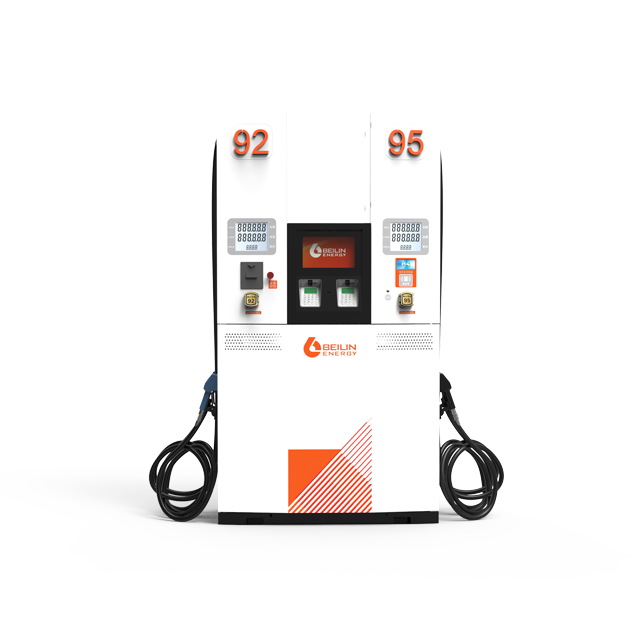
Addressing consumer skepticism regarding fuel purity remains critical for modern station operators. Automotive forums and high-octane buyers frequently discuss the purity of fuel they pump. When customers pay a premium for high-octane fuel, they expect an unadulterated product. Understanding this dynamic helps operators capture and retain niche consumer segments.
The data reality of shared hoses often surprises consumers. A standard single-hose setup typically retains between 0.3 to 0.5 gallons of fuel from the previous user. This residual volume sits in the internal manifold, the coaxial hose, and the nozzle assembly. When the next customer activates the pump, they receive this leftover volume before their selected grade begins flowing.
We must contextualize the impact on vehicles properly. For standard passenger cars with 15-gallon gas tanks, half a gallon of lower-octane fuel proves mathematically irrelevant. The engine control unit easily compensates for the negligible octane dilution. However, this cross-contamination becomes highly relevant for motorcycles, ATVs, or performance vehicles. A motorcycle with a 3-gallon tank receiving half a gallon of 87-octane instead of 93-octane experiences a significant drop in overall fuel quality.
Providing dedicated lines guarantees zero octane dilution. This acts as a powerful visual reassurance for premium fuel buyers. When a customer reaches for a multi hose dispenser, they see a physical guarantee of product purity. The psychological comfort often outweighs the minor inconvenience of managing multiple hoses.
Modern single-hose systems use highly efficient internal purge systems. Equipment manufacturers constantly engineer ways to reduce internal pipe volumes. Despite these technological advancements, the physical presence of separate hoses remains a strong psychological driver. Trust heavily influences buying habits, and dedicated lines visually communicate uncompromising quality.
Equipment geometry directly impacts site scalability and user flow. Forecourt layout determines how many vehicles you can process during peak hours. You must balance the physical size of the equipment against the behavioral patterns of your daily customers.
Single-hose configurations allow for much narrower dispenser profiles. By consolidating three hoses into one, manufacturers can shrink the cabinet width significantly. This enables station designers to squeeze more fueling positions into tight urban lots.
This design also reduces physical clutter drastically. Fewer hoses mean a lower risk of users tangling lines or tripping over equipment. To optimize your island real estate effectively, follow these core steps:
Narrower pumps keep lanes clear. They prevent customers from feeling cramped while navigating between their open car door and the dispenser housing.
Single-hose systems streamline the user interface. The customer inserts a card, presses the desired grade button, and grabs the only available nozzle. This linear process reduces cognitive load. Drivers rarely pick up the wrong nozzle by mistake.
Conversely, multi-hose setups can cause momentary hesitation. Drivers accustomed to single-hose systems sometimes stare at the array of handles, searching for the correct octane rating. However, dedicated lines eliminate the mechanical delay of internal blending valves. Once the customer squeezes the handle on a dedicated line, the precise fuel flows instantly. Both systems offer excellent throughput, but they optimize different phases of the customer journey.
Mapping equipment features to financial outcomes requires strict attention to the bottom line. You must evaluate the immediate purchase price alongside the recurring costs of keeping the equipment functional over a ten-year lifespan.
Multi-hose dispensers require significantly more external hardware. For a standard three-grade fueling position, you must purchase three nozzles, three breakaways, three swivels, and three heavy-duty hoses. Multiplying these components across an entire site drastically increases the initial material bill.
On the other hand, single-hose dispensers require complex, high-precision internal proportional blending valves. These internal mechanical components demand advanced engineering and strict manufacturing tolerances. The high cost of these internal blenders often equalizes the initial CapEx. Buying one complex valve roughly matches the cost of buying three sets of exterior hanging hardware.
Consumable wear and tear heavily favors single-hose systems. Drive-offs occur when a customer forgets to remove the nozzle and drives away. The breakaway snaps, saving the dispenser, but ruining the hose assembly. Environmental degradation from UV rays and harsh winters also destroys rubber hoses over time. A multi-hose dispenser multiplies this replacement cost by two or three times per fueling position.
Internal complexity tells a different story. If a single-hose blending valve fails, the entire fueling position may go down. You cannot pump any fuel until a technician rebuilds the valve. If one line on a multi-hose unit fails, the other grades remain perfectly operational. You can simply bag the broken nozzle while continuing to sell alternative grades to customers.
Finalizing procurement requires practical guidelines. No single design dominates the market because different locations serve entirely different operational goals. Use this shortlisting logic to guide your final equipment strategy.
Space-constrained urban retail stations benefit immensely from this design. When every square foot of concrete costs a premium, narrow cabinets maximize your real estate. High-volume sites also prioritize this configuration. Reducing visual clutter accelerates the customer transaction process. Furthermore, sites aiming to slash external hardware maintenance costs prefer having fewer hoses to inspect, clean, and replace annually.
Highway travel centers thrive on this configuration. Stations located near popular motorcycle routes or ATV trails must cater to small-engine vehicles demanding pure fuel. Sites looking to aggressively market premium, unblended high-octane fuel use the dedicated hose as a core marketing tool. Fleet depots requiring strict separation of fuel types also mandate this design. For example, pumping varying biodiesel blends through shared lines often causes mechanical issues for sensitive fleet engines.
Table: Dispenser Configuration Comparison
| Evaluation Criteria | Single-Hose (Blended) | Multi-Hose (Dedicated) |
|---|---|---|
| Physical Footprint | Narrow cabinet, minimal island space. | Wider cabinet, requires more clearance. |
| Cross-Contamination | Retains 0.3 - 0.5 gallons of previous grade. | Zero cross-contamination. 100% pure delivery. |
| External Hardware Costs | Low (1 hose, 1 nozzle per side). | High (up to 3+ hoses and nozzles per side). |
| Failure Resilience | Valve failure disables all fuel grades. | Single line failure leaves other grades active. |
| Ideal Demographics | Urban commuters, standard passenger cars. | Motorcycles, performance cars, specific fleets. |
Neither dispenser type proves universally superior. The correct choice depends entirely on optimizing your specific priorities. Single-hose setups maximize footprint efficiency and keep external maintenance budgets low. Multi-hose systems guarantee product purity and build deep customer trust among premium buyers. Both architectures deliver precise, reliable fueling when maintained correctly.
Your next step requires conducting a comprehensive site audit. Measure your island width carefully to ensure proper pedestrian clearance. Analyze your historical premium fuel sales data to see if targeting the high-octane demographic makes financial sense. Finally, consult with a dispensing equipment specialist to map out your exact capital expenditure requirements before breaking ground on your forecourt upgrade.
A: Typically, a single hose retains between 0.3 to 0.5 gallons of fuel from the previous transaction. This depends on the exact hose length and internal coaxial piping. While this volume remains completely negligible for standard passenger cars, it can slightly dilute the octane rating for small-tank vehicles like motorcycles.
A: Generally, yes, regarding external consumables. More hanging hardware means a higher frequency of replacing parts due to daily wear, environmental tear, and accidental drive-offs. Buying three nozzles and breakaways costs significantly more than maintaining just one set per fueling position.
A: No. Because the internal manifold shares a single fluid line to the nozzle, the dispenser can only pump one blended or pure grade at a time to a single vehicle. Simultaneous fueling requires completely separate mechanical components.
A: Beyond the single versus multi-hose debate, equipment falls into several broader categories. Dispensers are classified by suction pumps (containing internal motors) versus remote dispensers (relying on submersible turbine pumps in the tank). They also divide into standard-flow models for passenger cars and high-flow models designed specifically for heavy trucking.


