

Views: 0 Author: Site Editor Publish Time: 2026-08-25 Origin: Site


Retail fueling operations are evolving rapidly today. You can no longer rely on outdated mechanical pumps. Operating aging gas station equipment causes frequent maintenance downtime. It also creates severe security vulnerabilities. Non-compliant payment modules expose you to heavy EMV chargeback liabilities. Furthermore, poor customer experiences directly result in lost revenue.
This guide provides operators a clear evaluation framework. We offer evidence-based criteria for selecting modern hardware. You will explore the critical industry shift happening right now. We are moving from basic commodity pumps to secure retail endpoints. A modern smart fuel dispenser integrates seamlessly into your digital ecosystem. You will learn how upgrading your forecourt improves data security. We will also show how digital screens drive in-store sales.
Security is baseline: Modern dispensers must feature native EMV compliance, point-to-point encryption (P2PE), and anti-skimming hardware.
Integration dictates efficiency: A smart fuel dispenser's value relies heavily on seamless compatibility with existing forecourt controllers and POS systems.
TCO matters more than initial price: Hardware durability (meters and hydraulics) and remote diagnostic capabilities significantly lower the Total Cost of Ownership over a 10-15 year lifecycle.
Media drives in-store sales: High-definition screens and audio capabilities act as forecourt marketing tools to drive high-margin convenience store traffic.
Moving beyond basic "gallons per minute" requires new success metrics. You must measure throughput efficiency and uptime percentages accurately. Cross-sell conversion rates also define modern retail success. Upgrading hardware directly improves all these critical performance indicators. Modern stations treat the fueling island as the primary customer engagement zone.
Holding onto non-EMV compliant legacy systems carries extreme financial risks. You absorb all chargeback liabilities directly when fraud occurs. Merchant banks frequently assess heavy non-compliance fees against operators. Fraudsters specifically target older magnetic stripe readers. Upgrading hardware mitigates these severe financial exposures immediately. Factory-installed security protocols protect both your customers and your profit margins.
Operators face frustrating operational bottlenecks daily. Frequent calibration issues erode profit margins rapidly. Mechanical wear causes older pumps to dispense extra fuel accidentally. Slow flow rates frustrate your daily commuters during rush hour. Manual maintenance tracking wastes valuable managerial hours. Modern equipment automates these processes entirely. This allows your team to focus on customer service inside the store.
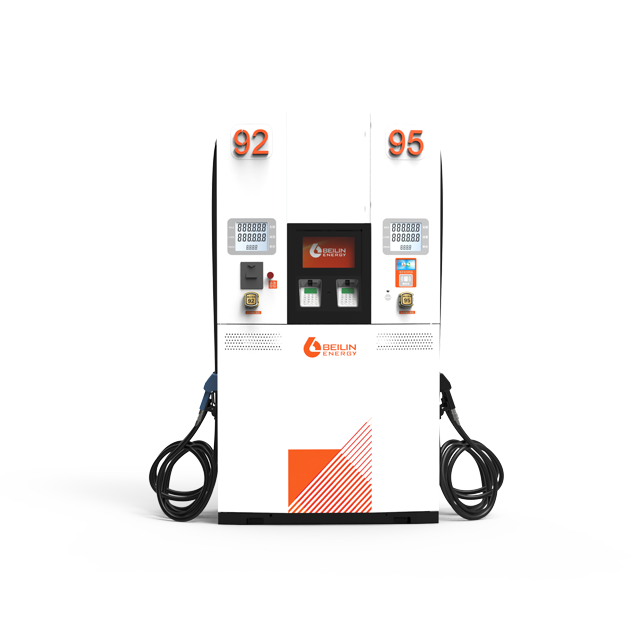
Evaluating specific fuel dispenser features requires understanding internal hydraulics. Physical durability dictates how well the equipment survives daily abuse. You must look closely at metering technology and material construction.
Metering precision prevents fuel give-away over time. You must evaluate piston meters against electronic flow meters. Piston meters offer proven reliability through physical displacement. However, electronic flow meters eliminate mechanical moving parts entirely. They minimize meter drift effectively over a long lifespan. This prevents you from giving away free fuel silently.
Comparison of Metering Technologies
Technology Type | Mechanical Wear | Precision Maintenance | Primary Benefit |
|---|---|---|---|
Positive Displacement (Piston) | Moderate | Requires periodic calibration | Proven industry standard reliability |
Electronic Flow Meter | Very Low | Self-adjusting/Minimal drift | Prevents unnoticed fuel give-away |
Consolidating your island footprint optimizes available space. You should assess multi-hose, multi-product dispensers (MPDs). A single MPD serves standard unleaded, premium, and diesel fuels. Some also dispense blended alternative fuels simultaneously. They utilize internal blending valves efficiently. This reduces your necessary underground tank count. It saves significant civil engineering expenses during site construction.
Harsh forecourt environments demand robust construction materials. You must evaluate the lifespan of hoses and nozzles. Breakaway valves must function perfectly during drive-off incidents. Corrosive environmental elements quickly degrade inferior materials. We strongly recommend galvanized steel or aluminum chassis components. They resist rust and physical wear significantly better than painted iron. Your hardware must survive temperature extremes and constant vehicle exhaust.
Payment security forms the foundation of modern forecourt operations. Criminals constantly evolve their skimming technologies. You must stay ahead by deploying advanced hardware defenses.
Factory-installed EMV chip readers are absolutely mandatory today. Consumers also expect frictionless NFC tap-to-pay options. You must support Apple Pay and Google Wallet securely. Secure PIN pads protect debit transactions from interception. Best practice dictates installing hardware featuring tamper-responsive payment modules. These modules wipe encryption keys instantly upon physical breach.
Physical security prevents skimming device installation effectively. Modern units utilize customized keying instead of universal master keys. Hardware locks physically secure the internal electronic components. Internal door sensors alert managers instantly during unauthorized access attempts. Logical security requires Point-to-Point Encryption (P2PE) protocols. P2PE routing secures data from the island terminal directly to your merchant bank. It ensures sensitive credit card data never rests on your local network.
Connectivity transforms a metal pump into a digital asset. Integration dictates your overall operational efficiency. Hardware must communicate flawlessly across your entire enterprise network.
You must ensure open industry-standard communication protocols. IFSF and standard serial communications prevent costly vendor lock-in. Proprietary systems restrict your POS provider choices artificially. Open architectures give you absolute flexibility over time. Common mistake: Operators often purchase closed-ecosystem hardware blindly. They later discover integration requires expensive custom middleware. Always verify native POS compatibility before signing purchase orders.
Predictive maintenance relies heavily on remote diagnostic tools. Smart sensors monitor internal equipment continuously. They alert managers about low flow rates instantly. You receive warnings about filter blockages before a pump goes offline. The system also flags printer paper depletion automatically. Over-the-air (OTA) software updates keep payment terminals secure continuously. They push new marketing media content seamlessly across your entire network. This eliminates the need for expensive technician dispatch calls.
The fueling island is your most valuable marketing real estate. Media integration changes how consumers interact during the fueling process.
High-definition media screens act as powerful marketing tools. You must assess screen sizes carefully during procurement. We recommend comparing 10-inch against larger 15-inch options. Anti-glare capabilities ensure readability during bright daylight. Robust weatherproofing protects your display investment from rain and freezing temperatures.
You need a strict ROI framework for screen utilization. Screens promote in-store loyalty programs effectively to a captive audience. You can advertise high-margin food and beverage items directly. Third-party advertising generates additional passive income for your site. Active content management dictates the success of these campaigns.
Design must remain strictly user-centric and accessible. Americans with Disabilities Act (ADA) compliance ensures proper reach requirements. It also dictates screen readability for visually impaired customers. Intuitive user interfaces guide customers smoothly through the transaction. Fast-printing receipt modules prevent unnecessary island bottlenecks. Clear audio prompts assist users effectively. Ignoring ADA compliance often leads to costly legal action against site operators.
Replacing infrastructure requires meticulous planning. You must evaluate physical site constraints before purchasing new hardware.
Site compatibility requires careful underground evaluation. You must assess your existing piping infrastructure first. Submersible turbine pumps operate differently than older suction systems. Do your existing sumps support the new footprint dimensions? Can your current conduit lines handle upgraded data cabling? Pulling new data cables through collapsed underground conduits destroys installation budgets. A commercial equipment specialist must verify these details.
You must evaluate vendor service contracts carefully. Transparent contract assumptions prevent hidden operational expenses. Factor in annual software licensing fees for media management platforms. Evaluate extended warranty costs thoroughly. Review standard maintenance contracts before signing. Understand exactly which high-wear parts fall under warranty coverage. Clear financial forecasting prevents budget overruns during the first five years of operation.
Request Compatibility Proof: Demand written documentation showing native POS integration capabilities.
Review Warranty Terms: Scrutinize the fine print regarding hoses, nozzles, and payment displays.
Schedule Site Surveys: Hire certified technicians to inspect sumps and underground conduit lines.
Evaluate UI/UX: Test the user interface yourself to ensure smooth menu navigation.
Selecting a fuel dispenser is a decade-long infrastructure decision. The right choice balances physical durability and advanced digital security. Modern units act as sophisticated marketing endpoints. They drive convenience store traffic using high-definition media. Prioritize vendors offering open-architecture POS integration. Avoid those competing strictly on upfront hardware costs while obscuring software fees. We encourage you to contact a commercial fueling equipment specialist today. They will perform a comprehensive site compatibility assessment and provide a customized implementation plan.
A: Typically 10–15 years. Lifespan relies heavily on maintenance volume and environmental conditions. It also depends on the availability of software updates for payment modules. Harsh climates require more frequent component replacements.
A: Often yes. Existing underground piping and conduit must support the necessary data cabling. The new base footprint must align with existing concrete islands. A professional site survey is strictly required to verify compatibility before installation.
A: An MPD is a single fueling unit delivering multiple fuel grades. It dispenses regular, premium, and diesel from one island. It often uses internal blending valves. This significantly reduces the number of underground storage tanks required.
A: Data shows they increase high-margin in-store sales by 3-5%. They work best when paired with effective loyalty programs. However, achieving positive ROI depends entirely on high site traffic and active digital content management.


