

Views: 0 Author: Site Editor Publish Time: 2026-08-31 Origin: Site


Assessing commercial equipment longevity is a critical Capital Expenditure (CapEx) issue. Fleet operators and retail stations must manage this risk proactively. A sudden pump failure halts revenue and disrupts daily operations. Exterior housings often look durable and pristine. However, internal hydraulics, meters, and electronics degrade on a strict timeline. This degradation depends heavily on your daily usage and environmental factors. Ignoring these hidden wear patterns leads to expensive unplanned downtime.
This article provides a straightforward framework to evaluate your current equipment health. We will help you forecast replacement timelines accurately. You will also learn how to optimize your overall operational efficiency and upgrade strategy. By understanding the core lifecycle variables, you can make smarter purchasing decisions. We will guide you through the transition from aging pumps to modern, future-proof dispensing systems.
The baseline commercial fuel dispenser lifespan ranges from 10 to 15 years, heavily dictated by daily throughput and preventative maintenance.
Frequent component failure (specifically flow meters and electronic boards) often makes replacing more cost-effective than continuous repair.
Regulatory shifts (EMV compliance, EPA regulations) and alternative fuel transitions frequently force equipment retirement before physical end-of-life.
Evaluating replacement fuel station equipment requires prioritizing modularity, POS compatibility, and OEM parts availability.
Predicting a true commercial fuel dispenser lifespan requires looking beyond the exterior metal cabinet. Industry standards establish a 10 to 15-year operational expectancy for commercial-grade units. However, this is merely a baseline. Real-world longevity fluctuates wildly based on how you deploy the equipment.
Throughput acts as the primary clock for mechanical decay. Consider a busy interstate travel center. These stations pump thousands of gallons daily. Their dispensers rarely rest. In these high-volume environments, physical degradation accelerates quickly. Operators here usually see a realistic lifespan of 7 to 10 years. Continuous vibration, constant hose pulling, and relentless hydraulic pressure wear down components fast.
Contrast this scenario against a private municipal fleet yard. A city depot might fuel a few dozen trucks each morning. The equipment experiences long periods of idle time. Because the mechanical stress remains low, you can often push these units past 15 years. They require diligent upkeep, but the lower volume naturally extends their physical viability.
A dispenser is not a single monolith. It operates as a complex assembly of different systems. Each internal system degrades at its own unique pace. Understanding these separate timelines helps you plan maintenance budgets effectively.
Dispenser Component Lifespan Breakdown
Component Type | Average Lifespan | Primary Wear Factors |
|---|---|---|
Exterior / Chassis | 15+ years | Rust, vehicular impact, UV fading. |
Hydraulics & Flow Meters | 7–10 years | Fuel abrasives, chemical seal degradation. |
Electronics & Payment Terminals | 5–7 years | Weather exposure, software obsolescence. |
Your chassis will almost always outlive your payment screens. The exterior metal panels endure for decades unless struck by a vehicle. Meanwhile, hydraulics and flow meters face constant friction. They typically require recalibration or complete rebuilds right around the 7-year mark. Finally, electronics and payment terminals age the fastest. Rapid technological obsolescence and harsh weather exposure usually kill payment modules within 5 to 7 years.
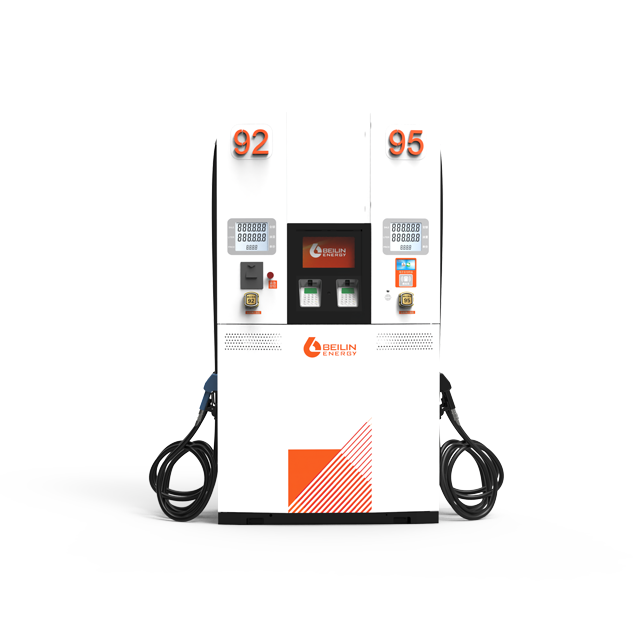
Why do some pumps fail in five years while others last fifteen? The answer lies in operational hazards. You must monitor several core variables closely. These factors actively destroy fuel station equipment from the inside out.
Modern fuels are highly corrosive to older materials. High-ethanol blends, like E15 or E85, aggressively attack traditional rubber seals. Ethanol acts as a solvent. It cleans the interior of storage tanks but pushes all that dislodged debris straight into your dispenser filters. Furthermore, ethanol absorbs moisture from the air. This causes internal phase separation and rust.
Similarly, ultra-low sulfur diesel (ULSD) and biodiesel introduce unique challenges. ULSD lacks the natural lubricity of older diesel formulations. This increases mechanical friction inside your pumping units. Biodiesel blends can harbor microbial growth. These "diesel bugs" create a thick sludge. This sludge clogs filters and suffocates internal flow meters prematurely.
Mother Nature remains a relentless enemy to petroleum infrastructure. Coastal salt air causes microscopic pitting on exposed metal and electronic boards. Extreme freeze-and-thaw cycles expand and contract hydraulic fittings. Over time, these temperature swings create hairline fractures and persistent micro-leaks.
Direct UV degradation also ruins exterior components. Constant sunlight bakes rubber hoses until they crack. It fades digital displays until customers can no longer read the pricing. UV rays even weaken the plastic housings around your card readers. Internal condensation presents another silent killer. Humidity gets trapped inside the cabinet, dripping onto unprotected circuit boards and causing catastrophic electrical shorts.
Poor maintenance culture kills equipment faster than high volume. You must implement strict preventative routines. Lack of routine filter changes remains the leading cause of premature pump burnout. When a filter clogs, the internal suction pump works twice as hard to pull fuel. This overheats the motor.
Common Maintenance Mistakes to Avoid:
Skipping monthly filter replacements to save minor operational costs.
Ignoring slow flow rates, which indicate impending hydraulic failure.
Failing to wipe down electronic screens, leading to permanent dirt etching.
Delaying annual flow meter calibrations.
Every facility manager faces a difficult choice when equipment breaks. Should you patch it up again or buy a new unit? Evaluating your fuel pump system requires a cold, mathematical approach. Sentimentality and habit cost money.
Industry experts rely on the 50% Rule for CapEx decisions. If a single repair exceeds 50% of the cost of a new dispenser, you must replace it. You can also apply this to annualized repair costs. Take your total maintenance bills for one specific pump over the last twelve months. If that sum surpasses half the replacement value, patching it is no longer financially sound. You are simply throwing good money after bad.
Aging equipment carries massive supply chain risks. Manufacturers eventually discontinue legacy OEM lines. When your ten-year-old motherboard fries, you cannot buy a new one from the factory. You must hunt for aftermarket or refurbished boards. Sourcing these rare parts causes extended downtime. A pump sitting out of order for three weeks waiting on a refurbished screen destroys your site revenue.
Mechanical wear creates an invisible financial drain called fuel shrinkage. As internal flow meters age, their internal gears wear down. They begin to "drift" from their original calibration. Often, they dispense slightly more fuel than the screen registers. This is known as a "giveaway."
You are dispensing more product than you charge for. A meter giving away just three cubic inches per five gallons seems small. However, across a busy month, you lose hundreds of gallons of inventory. This silent shrinkage actively destroys your profit margins. A brand-new dispenser eliminates this drift entirely.
Sometimes, external mandates force your hand. The physical pump might work perfectly, but regulations demand a replacement. Upgrading is frequently driven by PCI compliance for payment processing. Older magnetic stripe readers cannot process modern EMV chip cards securely. Similarly, the EPA frequently updates vapor recovery regulations. If your legacy unit cannot support updated vapor recovery nodes, you have no choice but to install modern hardware.
Squeezing one more year out of dying fuel dispenser equipment seems frugal. In reality, it exposes your business to massive operational hazards. The hidden penalties of aging hardware far outweigh the temporary savings.
An out-of-order pump costs much more than the repair bill. You must calculate the real cost of downtime. First, you lose immediate fuel sales. Drivers see a bagged nozzle and simply drive to your competitor. Second, you lose high-margin in-store revenue. Fuel customers usually buy coffee, snacks, or fleet supplies. Every hour a pump sits dead, your convenience store registers stay quiet. Prolonged downtime can permanently alter driver habits. They will learn to skip your station entirely.
Aging equipment poses severe environmental threats. Microscopic seal leaks go unnoticed for months. A slow drip inside the cabinet eventually breaches the containment sump. Fuel contamination into the surrounding soil triggers massive EPA and local regulatory fines. The remediation costs for a single environmental breach can bankrupt a small operation. Replacing old valves and brittle gaskets proactively eliminates this catastrophic risk.
Modern consumers demand speed and convenience. Aging equipment delivers the exact opposite. Slow flow rates infuriate fleet drivers trying to meet strict delivery schedules. Unreadable digital screens create confusion during the transaction. Broken payment readers force customers to walk inside to pay. This creates immense friction. Frustrated customers churn quickly. Upgrading your hardware ensures a seamless, fast, and pleasant fueling experience.
When you finally decide to upgrade, you must select hardware strategically. You are not just buying a metal box; you are investing in a decade-long technology platform. Follow a strict shortlisting logic to secure the best ROI.
The energy landscape changes rapidly. You must evaluate whether the new system can handle tomorrow's fuels. Look for hardware pre-certified for higher ethanol blends (up to E85) or renewable diesel. Ensure the internal piping and seals carry specific UL listings for these aggressive chemicals. Even if you only sell standard unleaded today, future-proofing allows you to pivot easily without buying new pumps later.
Avoid monolithic designs. Recommend looking for units featuring a highly modular architecture. You want a system where individual nodes can be swapped quickly. If a payment screen cracks, a technician should pop it out and slide a new one in. You should not have to replace the entire chassis or shut down the pump for six hours. Modularity drastically reduces future maintenance labor costs.
Comparison: Legacy vs. Modern Dispenser Architecture
Feature | Legacy Equipment | Modern Modular Equipment |
|---|---|---|
Component Upgrades | Requires full unit shutdown and rewiring. | Plug-and-play node swapping. |
Payment Security | Magnetic stripe, highly vulnerable. | EMV chip, NFC tap, end-to-end encryption. |
Meter Precision | Mechanical drifting over time. | Electronic flow control, minimal drift. |
A dispenser is essentially a ruggedized computer. Detail the necessity of seamless digital integration. Your new pumps must communicate flawlessly with your existing Automatic Tank Gauges (ATGs). They must sync with major fleet card networks securely. Furthermore, back-office software integration ensures your inventory tracking remains perfectly accurate. Ask vendors for explicit proof of compatibility with your current Point of Sale (POS) system before signing anything.
Hardware is only as good as the technician who fixes it. Warn against choosing niche manufacturers simply because they offer lower upfront prices. Niche brands often have limited authorized local service technicians. If a proprietary board fails, you might wait weeks for a qualified repairman to fly in. Prioritize established OEMs with robust support Service Level Agreements (SLAs). Ensure a certified local distributor stocks replacement parts within a fifty-mile radius of your site.
Relying solely on the physical appearance of a dispenser masks the severe operational risks of aging internal components. A shiny exterior means nothing if the internal flow meters are giving away free fuel or the electronics are failing daily. You must view your dispensers as highly consumable technology platforms. They require proactive lifecycle management to protect your margins.
Your immediate next step is to audit your current maintenance logs. Look for repetitive repair patterns on specific units. Then, schedule a professional flow-meter calibration test. This test will baseline your equipment's current health and expose any hidden fuel shrinkage. Once you have the hard data, you can build a realistic capital replacement schedule.
Stop guessing about the health of your most vital assets. Reach out and consult with a certified petroleum equipment installer today. They can perform a comprehensive site-level lifecycle assessment. A professional evaluation guarantees you deploy the safest, most profitable dispensing technology for your specific operational needs.
A: You should perform daily visual checks for leaks and screen damage. Mechanics must execute monthly filter changes to prevent motor strain. Additionally, you need an annual comprehensive inspection. This yearly service must include precise flow meter calibration and a thorough electronic diagnostic to ensure continued safety and accuracy.
A: Yes, it can, unless you use specialized hardware. High-ethanol and biodiesel blends aggressively degrade traditional rubber seals and metals. You must install UL-listed equipment specifically designed and certified for those alternative fuels. Proper hardware prevents rapid chemical wear and prevents dangerous internal leaks.
A: Chronic slow flow rates are the most common early warning. You will also notice repetitive software reboots and frozen payment screens. Frequent meter recalibration indicates severe internal mechanical wear. Finally, an unusual, loud hydraulic whining noise usually means the internal suction pump is actively failing.
A: Sometimes. Manufacturers offer retrofit kits to upgrade older pumps to EMV compliance. However, aging chassis wiring has physical limits. If the internal cables are brittle or the main logic board is obsolete, a retrofit will fail. In those cases, full replacement remains the only viable solution.


