

Views: 194 Author: Site Editor Publish Time: 2025-10-25 Origin: Site


Operating a fuel dispenser may seem simple, but it involves precision, safety, and an understanding of how modern systems—like the ZX Fuel Dispenser—function. Whether you manage a service station, work in vehicle maintenance, or operate fueling systems in an industrial setting, mastering dispenser operation ensures safety, fuel efficiency, and regulatory compliance. This guide provides a comprehensive walkthrough of how to properly operate a fuel dispenser, emphasizing both manual and automated systems. It also includes maintenance tips, safety measures, and troubleshooting strategies to help you optimize your fueling operations.
A fuel dispenser is a complex machine that pumps fuel into vehicles and measures the amount dispensed. It combines hydraulic, electronic, and mechanical systems to provide accurate, safe, and efficient delivery. Modern dispensers, such as the ZX Fuel Dispenser, are equipped with advanced control interfaces, real-time data monitoring, and automatic shutoff mechanisms.
| Component | Description | Function |
|---|---|---|
| Pumping Unit | Motor-driven device | Transfers fuel from storage tank to nozzle |
| Flow Meter | Precision measuring system | Calculates volume of fuel dispensed |
| Nozzle & Hose | User-operated tool | Directs fuel into vehicle tank |
| Display & Control Panel | Electronic interface | Shows volume, cost, and operation data |
| Safety Valves | Built-in safety feature | Prevents overflow or fuel backflow |
By understanding these components, operators can confidently identify potential issues and handle dispensers more efficiently.
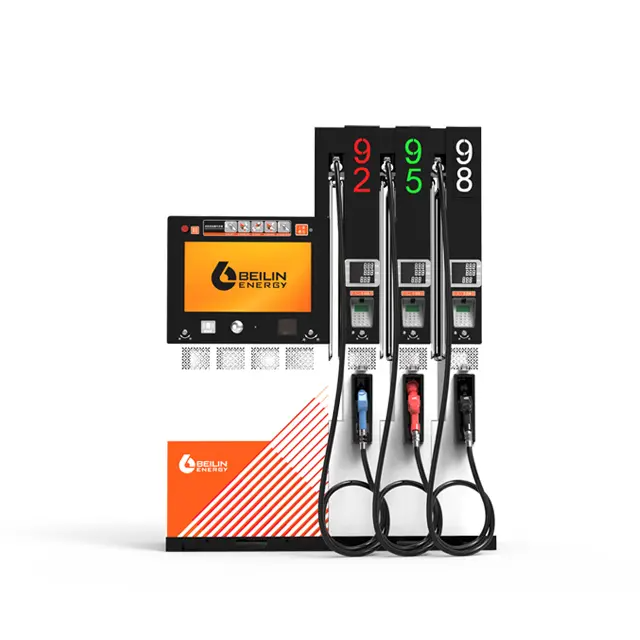
Before operating any dispenser, especially a ZX Fuel Dispenser, safety checks are mandatory. These checks minimize risks such as fuel leakage, fire, or static electricity buildup. Always perform the following steps before activating the dispenser:
Inspect the Area – Ensure there are no open flames, sparks, or smoking near the pump.
Check the Equipment – Examine the nozzle, hose, and control panel for visible damage or fuel residue.
Confirm Grounding – Proper grounding prevents static discharge during fuel transfer.
Verify Power Supply – Confirm that the dispenser has stable electrical power and that emergency switches are functional.
Ensure Personal Protection – Operators should wear anti-static gloves and avoid synthetic clothing.
| Safety Step | Purpose | Frequency |
|---|---|---|
| Visual inspection | Detects wear, leaks, or damages | Daily |
| Ground connection check | Prevents static discharge | Weekly |
| Emergency button test | Ensures quick shutoff function | Monthly |
Completing these safety checks ensures a smooth, compliant, and hazard-free operation.
Operating a ZX Fuel Dispenser involves a systematic approach. Each step should be performed carefully to ensure both safety and accuracy in fuel delivery.
Switch on the main power. Wait for the ZX dispenser display to initialize. The system runs a quick diagnostic check to ensure all sensors and valves are operational. If the display shows an error code, consult the manufacturer’s manual before proceeding.
Most ZX dispensers support multiple fuel grades (e.g., petrol, diesel, ethanol blends). Choose the appropriate grade from the control panel. This selection determines which tank and hose the dispenser will activate.
Ensure the display meter resets to “0.00” before dispensing. This guarantees an accurate measurement of fuel for each transaction.
Insert the nozzle firmly into the vehicle’s fuel tank inlet. Squeeze the handle gently to start fuel flow. The ZX Fuel Dispenser automatically regulates flow pressure to prevent splashing or overflow.
Once the tank reaches capacity, the dispenser’s auto shutoff activates, stopping fuel flow instantly. Never force fuel after shutoff—it can cause overfilling or vapor lock.
Return the nozzle to its holder. The dispenser will display total liters and cost. Record this data for inventory tracking or automated billing.
Fuel dispensers must maintain accuracy to ensure customers receive the correct volume of fuel. The ZX Fuel Dispenser integrates digital calibration tools, but manual verification is still essential.
Enter Calibration Mode through the dispenser menu.
Dispense Test Volume into a certified measuring container.
Compare Results with the displayed reading.
Adjust Meter Settings if discrepancies exceed regulatory limits.
Seal and Record calibration results as part of your station’s compliance log.
| Calibration Element | Recommended Frequency | Responsible Person |
|---|---|---|
| Flow meter check | Monthly | Technician |
| Display accuracy test | Quarterly | Station manager |
| System recalibration | Semi-annually | Authorized service provider |
Regular calibration keeps the dispenser compliant with metrology standards and enhances customer trust.
The ZX Fuel Dispenser stands out due to its intelligent control systems, energy efficiency, and adaptability to various fuel types. Operators who understand its features can leverage its full potential.
Smart Flow Control: Automatically adjusts pumping rate based on nozzle position and tank pressure.
Digital Transaction Integration: Connects with POS (Point-of-Sale) systems for seamless billing.
Durable Construction: Resistant to corrosion and harsh environments.
Enhanced Safety Mechanisms: Overfill protection, vapor recovery, and real-time diagnostics.
Energy Efficiency: Uses optimized motors that consume less power while maintaining high flow rates.
When compared to traditional dispensers, the ZX model offers superior precision, lower maintenance costs, and longer lifespan.
| Feature | ZX Fuel Dispenser | Traditional Dispenser |
|---|---|---|
| Flow accuracy | ±0.15% | ±0.5% |
| Automatic shutoff | Advanced sensor-based | Manual or timed |
| Power efficiency | High (energy-saving motor) | Medium |
| Maintenance interval | 12 months | 6 months |
These features make the ZX Fuel Dispenser a reliable choice for commercial fueling operations.
Even the most advanced dispenser may experience occasional issues. Knowing how to identify and correct them minimizes downtime.
| Problem | Possible Cause | Solution |
|---|---|---|
| Display not turning on | Power failure or fuse issue | Check fuse and power connection |
| Inaccurate readings | Calibration drift or sensor error | Recalibrate and test flow meter |
| Fuel not dispensing | Blocked filter or airlock | Clean filter and vent system |
| Auto shutoff failure | Damaged nozzle sensor | Replace or recalibrate sensor |
| Leakage from hose | Worn-out seals | Replace gaskets and tighten connections |
Always follow manufacturer guidelines when troubleshooting, and never attempt to repair pressurized fuel lines without proper training.
Routine maintenance ensures optimal dispenser performance and prolongs its lifespan. The ZX Fuel Dispenser requires less frequent maintenance than older models but still benefits from scheduled inspections.
Wipe down exterior panels and display screens.
Inspect hoses for cracks or leaks.
Verify nozzle trigger function.
Clean internal filters.
Test grounding connections.
Run calibration verification.
Replace worn seals and gaskets.
Conduct a full system inspection by certified technicians.
Update firmware for improved operational stability.
Consistent maintenance reduces the risk of costly breakdowns and maintains operational compliance.
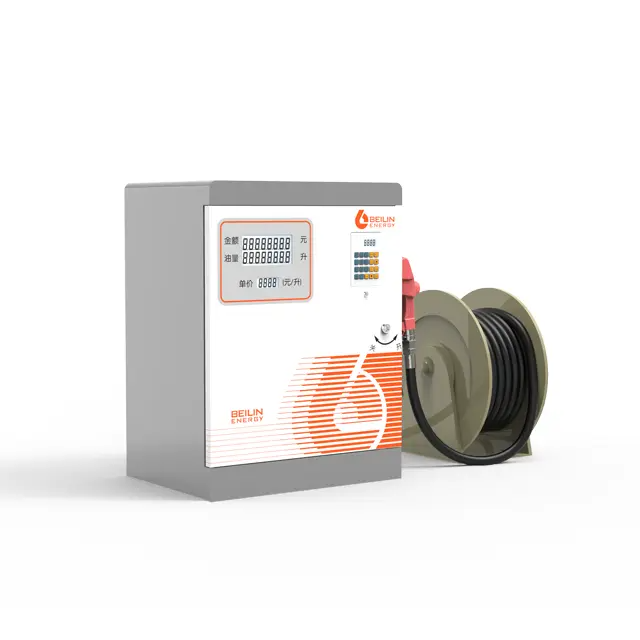
Adhering to best practices is crucial in environments where flammable liquids are handled. Whether using a ZX Fuel Dispenser or another model, the following guidelines apply universally:
Never leave the nozzle unattended during dispensing.
Avoid using mobile phones near fueling zones.
Ensure proper ventilation to disperse fuel vapors.
Label and segregate fuel types to avoid cross-contamination.
Keep fire extinguishers nearby and accessible at all times.
Training all staff members on these protocols minimizes risk and ensures a safe fueling environment.
Learning how to operate a fuel dispenser effectively requires understanding both the mechanical process and the safety standards involved. The ZX Fuel Dispenser simplifies operation through automation, precision, and smart controls, making it an ideal choice for modern fueling stations. By performing pre-operation checks, following proper fueling steps, maintaining regular calibration, and implementing strong safety practices, operators can ensure smooth, safe, and efficient dispensing every time.
1. What makes the ZX Fuel Dispenser different from conventional models?
The ZX model features advanced electronic control, higher accuracy, and real-time diagnostic systems that enhance operational reliability and energy efficiency.
2. How often should I calibrate my ZX Fuel Dispenser?
Calibration should be verified monthly and adjusted semi-annually, depending on local regulatory requirements.
3. Can the ZX Fuel Dispenser handle multiple fuel types?
Yes. It supports petrol, diesel, ethanol blends, and biodiesel, provided each type is assigned to a separate fuel line and tank.
4. What should I do if the dispenser stops during fueling?
First, check for error messages on the display, then inspect power supply and nozzle sensors. If unresolved, contact an authorized service technician.
5. How can I ensure accurate readings over time?
Maintain consistent calibration, clean filters regularly, and keep the dispenser software updated.


