
- All
- Product Name
- Product Keyword
- Product Model
- Product Summary
- Product Description
- Multi Field Search

Views: 0 Author: Site Editor Publish Time: 2025-09-04 Origin: Site


In modern fueling stations, safety is not just a regulatory requirement but also a core element of customer trust and operational efficiency. At the heart of every fueling station lies the fuel dispenser, the critical piece of equipment that not only delivers fuel to vehicles but also ensures the process is accurate, efficient, and—most importantly—safe. As the demand for faster fueling, digital integration, and eco-friendly practices grows, so does the importance of advanced fuel dispenser technology in safeguarding both people and assets.
This article explores the safety aspects of fuel dispensers, examining how evolving technology is shaping safer operations in fueling stations worldwide.
A fuel dispenser is more than a pump; it is a complex system that integrates mechanical, electronic, and digital components to deliver fuel from underground storage tanks to vehicles. While the customer mainly interacts with the nozzle and display, behind the scenes, the dispenser is working to measure fuel accurately, process payments securely, and prevent hazards like leaks, spills, or static sparks.
Because fuel is flammable and volatile, dispensers must be designed and operated with safety at the forefront. A single malfunction—whether due to poor maintenance, outdated technology, or improper use—can result in costly accidents, environmental damage, or even loss of life.
Before understanding how modern technology addresses safety, it’s important to highlight the risks involved in fueling:
Fire and Explosion Hazards: Fuel vapors are highly flammable and can ignite with even the smallest spark.
Leaks and Spills: Poor seals, worn hoses, or faulty valves can lead to fuel escaping, posing risks to both the environment and personal safety.
Static Electricity: Improper grounding or static buildup during fueling can cause ignition.
Measurement Inaccuracy: Faulty meters not only cause financial disputes but can also signal system malfunctions that compromise safety.
Unauthorized Access and Tampering: Fraudulent activities or tampering with dispensers can compromise safe operations.
The advancement of fuel dispenser technology directly responds to these challenges, embedding safety into every step of the fueling process.
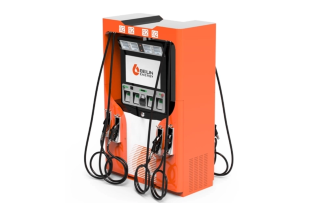
Fuel dispensers are no longer just mechanical pumps; they are sophisticated systems designed with multiple layers of safety to protect users, attendants, and the environment. Below are some of the most important safety features integrated into today’s dispensers:
Automatic Shut-off Systems
Perhaps the most well-known safety feature is the automatic shut-off nozzle. When the vehicle’s fuel tank reaches capacity, the nozzle senses the back pressure and stops the flow of fuel immediately. This prevents costly and dangerous spills that can damage vehicle paint, contaminate the ground, or increase fire risks.
Leak Detection and Containment
Undetected leaks can pose severe hazards, from fire risks to soil and groundwater contamination. Modern dispensers often feature built-in sensors that continuously monitor hoses, valves, and seals. Advanced systems use double-walled piping that not only contains leaks but also alerts operators in real time, allowing immediate action before an incident escalates.
Flame Arrestors and Vapor Recovery
To protect against fire hazards, dispensers are fitted with flame arrestors, which block flames from traveling back into the fuel storage tanks. Complementing this, vapor recovery systems capture toxic fumes released during fueling, reducing environmental pollution and minimizing the chance of vapor-related ignition.
Static Control Mechanisms
Static electricity buildup, especially in dry climates, can be a hidden ignition source. Fuel dispensers mitigate this risk with conductive hoses, grounding wires, and anti-static materials. These measures ensure that any static charge dissipates safely before fuel vapors can ignite.
Emergency Stop Systems
For rapid response in dangerous situations, every dispenser is equipped with clearly marked emergency shut-off switches. These instantly cut power to all pumps, halting fuel flow and giving operators control during fires, equipment malfunctions, or accidents.
Together, these integrated features create a multi-layered safety system that ensures fueling remains both efficient and secure for all stakeholders.
Technology is reshaping fuel dispenser safety through digital innovations:
Real-Time Monitoring: IoT-enabled dispensers provide operators with real-time data on fuel levels, leaks, pressure, and system integrity. Remote alerts help address potential hazards quickly.
Automated Diagnostics: Advanced dispensers perform self-checks to detect wear, calibration issues, or component malfunctions before they escalate into safety incidents.
Secure Payment Systems: Integrated contactless payments not only enhance customer convenience but also reduce human interaction around hazardous fueling zones.
Data Logging and Compliance: Digital dispensers automatically store records of fueling operations, ensuring compliance with safety regulations and simplifying audits.
Modern dispensers also prioritize user safety:
Clear Instructions and Visual Displays: Touchscreens, LED indicators, and multilingual prompts reduce user errors.
Ergonomic Nozzles and Hoses: Designed to reduce strain and accidental spills, especially important for high-volume stations.
Contactless Operations: In a post-pandemic world, minimizing physical contact at fueling stations protects both workers and customers.
Safety is not limited to immediate hazards—environmental protection is equally important. Fuel dispenser technology addresses this through:
Vapor Recovery: Capturing harmful hydrocarbons that would otherwise contribute to air pollution.
Spill Containment: Drip trays, sealed fittings, and secondary containment systems prevent soil and water contamination.
Eco-Friendly Materials: Use of corrosion-resistant, recyclable materials enhances durability while reducing environmental impact.
By prioritizing sustainability, fuel dispensers play a role in aligning fueling stations with global environmental standards.
Fuel dispensers must comply with stringent international and national standards, including ATEX (Europe), UL (United States), and OIML (global measurement standards). These certifications ensure that safety features meet recognized benchmarks.
Station owners and operators are also required to follow strict maintenance schedules, ensuring that dispensers remain reliable throughout their service life. Advanced technology not only helps meet these requirements but often exceeds them, setting new benchmarks for safety.
Even with advanced technology, human error remains a risk factor. Proper training ensures that operators and customers use fuel dispensers correctly:
Educating customers about avoiding phone use or smoking during fueling.
Training staff to recognize warning signals or alarms from the dispenser.
Performing regular inspections and maintenance to keep systems functioning safely.
Technology and training, when combined, create a comprehensive safety framework.
Looking ahead, the integration of artificial intelligence, machine learning, and predictive analytics will take dispenser safety to new heights. Future dispensers may:
Predict component failure before it occurs.
Use advanced sensors to detect air quality and vapor levels in real-time.
Integrate with smart city infrastructure for centralized monitoring of fueling stations.
Offer seamless compatibility with alternative fuels such as hydrogen or biofuels, each of which has unique safety considerations.
This evolution ensures that fuel dispensers remain at the forefront of safety technology in the energy sector.
Fuel dispensers are more than just tools for delivering fuel—they are guardians of safety, protecting people, assets, and the environment. From automatic shut-off systems to IoT-enabled monitoring, modern dispenser technology embeds safety at every level of operation. As fueling stations continue to evolve toward smarter, greener, and more efficient models, the role of advanced dispensers becomes increasingly indispensable.
For businesses seeking to enhance fueling operations with reliable, safe, and innovative solutions, partnering with an experienced provider is essential. Guangdong Beilin Energy Equipment Co., Ltd. offers advanced fuel dispenser technology designed with safety and efficiency at its core. To learn more about their products and expertise, consider reaching out to the company for tailored solutions that meet the highest standards of safety and performance.
