

Views: 0 Author: Site Editor Publish Time: 2025-10-16 Origin: Site


Fuel dispensers are the backbone of gas stations and fueling facilities. They play a critical role in ensuring that customers can refuel vehicles quickly, safely, and accurately. However, like any piece of industrial equipment, fuel dispensers require regular maintenance to operate efficiently and remain reliable over the long term. Poorly maintained dispensers can lead to frequent breakdowns, inaccurate readings, higher operating costs, and even safety hazards.
For gas station owners and operators, adopting a proactive maintenance plan is not just about extending the equipment’s lifespan—it’s about protecting customer trust, complying with safety regulations, and maximizing return on investment. In this article, we will explore key fuel dispenser maintenance tips that ensure reliability, accuracy, and efficiency for years to come.
Preventive maintenance is the cornerstone of long-term fuel dispenser reliability. Instead of waiting for a problem to arise, operators should schedule regular checks and servicing to detect potential issues early. Preventive maintenance helps:
Reduce downtime by preventing unexpected equipment failures.
Save costs through early detection of small issues before they become expensive repairs.
Ensure safety by reducing risks of leaks, spills, or faulty electronic components.
Maintain accuracy of fuel measurement, which directly impacts customer satisfaction and regulatory compliance.
A structured preventive maintenance schedule—whether weekly, monthly, or quarterly—ensures dispensers remain in top condition throughout their service life.
The hoses and nozzles are the most visible and heavily used parts of a fuel dispenser. Over time, they can suffer from wear and tear due to constant handling, exposure to fuel, and environmental factors such as sunlight and temperature fluctuations.
Key tips for hose and nozzle maintenance include:
Check for cracks or leaks: A leaking hose not only wastes fuel but also creates a fire hazard.
Inspect nozzle shut-off mechanisms: Automatic shut-off features should function correctly to prevent overfilling and spills.
Replace worn gaskets and seals: Small components such as seals can deteriorate quickly, leading to drips and leaks.
Keep nozzles clean: Accumulated dirt or fuel residue can affect the precision of fuel delivery.
By keeping hoses and nozzles in top shape, you ensure smooth and safe fueling for customers.
Accurate calibration is essential to guarantee that customers receive exactly the amount of fuel they pay for. Regulatory authorities in most regions require regular dispenser calibration checks to ensure fairness and compliance.
Calibration tips include:
Conduct regular meter tests to check dispensing accuracy.
Use certified calibration equipment or hire professionals for verification.
Recalibrate after repairs or part replacements, as even small adjustments can affect accuracy.
Document calibration records to demonstrate compliance with local regulatory bodies.
Failing to maintain proper calibration can result in financial losses, legal penalties, and reputational damage.
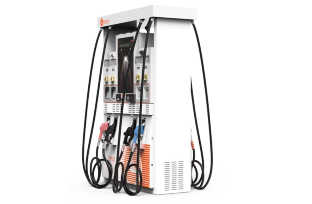
Fuel quality directly impacts dispenser performance. Contaminants such as dirt, rust, or water in the fuel supply can clog filters and reduce dispensing efficiency. Dirty filters can also lead to inaccurate flow rates and cause long-term damage to dispenser components.
Best practices for filter maintenance include:
Replace filters regularly, as recommended by the manufacturer.
Inspect strainers for debris or buildup that could impede fuel flow.
Ensure water separators are functioning properly to remove moisture.
Check for fuel discoloration, which may indicate contamination in storage tanks.
Clean filters ensure smooth, consistent, and efficient fuel delivery.
Modern fuel dispensers are equipped with sophisticated electronic systems, including control units, card readers, and digital display panels. These systems must be protected from dust, moisture, and electrical surges.
Maintenance steps include:
Clean display panels to ensure visibility for customers.
Inspect wiring and connectors for corrosion, fraying, or loose connections.
Test card readers and payment systems to ensure secure and reliable transactions.
Use surge protectors to safeguard sensitive electronics from voltage spikes.
Electronics are critical for both customer interaction and accurate fuel tracking, so keeping them in good condition is essential.
At the heart of every fuel dispenser lies the motor that powers fuel pumping. If the motor fails, the dispenser becomes completely unusable. Regular maintenance helps prevent costly downtime and ensures consistent fueling operations.
Motor maintenance tips:
Listen for unusual noises that may indicate bearing or belt issues.
Lubricate moving parts as recommended by the manufacturer.
Check for overheating, which may suggest electrical or mechanical problems.
Ensure proper ventilation around the motor housing to prevent heat buildup.
By addressing small motor issues promptly, you can avoid unexpected breakdowns that interrupt business.
Fuel dispensers are designed with safety systems that protect against hazards such as fuel leaks, overflows, and electrical malfunctions. Neglecting these safety systems increases the risk of accidents.
Key safety checks include:
Emergency shut-off switches: Test regularly to ensure they can cut off fuel flow instantly in emergencies.
Leak detection systems: Inspect sensors and alarms to confirm proper functionality.
Fire extinguishers near dispensers: Ensure they are accessible, fully charged, and up-to-date.
Proper grounding and bonding: Reduce the risk of static electricity igniting fuel vapors.
Routine safety checks protect employees, customers, and assets from potential accidents.
While internal components are critical, the exterior appearance of a dispenser also matters. A clean, well-maintained dispenser not only improves customer perception but also reduces the risk of dirt entering the system.
Cleaning tips:
Wipe down dispensers daily with fuel-safe cleaning agents.
Remove spills immediately to prevent slipping hazards and fuel odors.
Maintain clear signage and branding for professional appearance.
Keep the fueling area tidy, including trash bins, spill kits, and adequate lighting.
Clean equipment enhances both customer satisfaction and safety.
Even the best-maintained equipment can fail prematurely if used improperly. Gas station staff should be trained on how to handle dispensers correctly, detect early signs of malfunction, and report issues promptly.
Staff training should include:
Safe fueling procedures.
Identifying common dispenser problems (e.g., leaks, faulty displays).
Emergency response protocols.
Routine checks before and after each shift.
Well-trained staff act as the first line of defense against dispenser issues, ensuring smooth operations every day.
While routine checks can be handled in-house, professional servicing ensures deeper inspections and expert care. Certified technicians can identify hidden issues, perform thorough system tests, and provide parts replacements when needed.
Benefits of professional servicing include:
Expertise in diagnosing complex problems.
Access to genuine spare parts.
Compliance with industry and regulatory standards.
Extended equipment life and reduced downtime.
Partnering with experienced service providers offers peace of mind and reliable operation.
Fuel dispensers are vital assets for fueling businesses, and their long-term reliability depends heavily on proper care and maintenance. From regular inspections of hoses and filters to accurate calibration, motor upkeep, and safety checks, every step contributes to smooth operations and customer trust. Cleanliness, staff training, and professional servicing further strengthen the reliability and performance of these essential machines.
By implementing a comprehensive maintenance strategy, gas station operators can minimize downtime, reduce costs, and ensure customers always receive safe, accurate, and efficient fueling services.
For those seeking high-quality and durable fuel dispensers designed for reliability, companies like Guangdong Beilin Energy Equipment Co., Ltd. provide advanced solutions tailored to modern fueling needs. Their expertise and product range make them a trusted partner for long-term fueling success.
