Views: 0 Author: Site Editor Publish Time: 2025-07-11 Origin: Site


Fuel dispensers are the cornerstone of modern fueling stations, serving as the primary interface between the station and the customer. A good fuel dispenser is not merely a pump that transfers fuel; it is a complex piece of equipment that ensures accuracy, safety, and efficiency in fuel delivery. The evolution of fuel dispenser technology has been significant, incorporating advanced features that enhance performance and compliance with regulatory standards. Understanding what constitutes a good fuel dispenser is essential for station operators aiming to optimize their operations and provide excellent customer service. The fuel dispenser must meet stringent criteria in terms of design, functionality, and compliance to effectively serve its purpose.
A fuel dispenser consists of several critical components that work in unison to deliver fuel accurately and safely. These components include the hydraulic system, metering system, electronic control system, and user interface. The hydraulic system manages the movement of fuel from the storage tanks to the dispenser. High-quality fuel dispensers utilize robust pumps and valves resistant to corrosion and wear, ensuring longevity and consistent performance.
The metering system is responsible for measuring the volume of fuel dispensed. Precision in this system is paramount as it directly affects transaction accuracy and customer trust. Advanced fuel dispensers employ positive displacement meters or mass flow meters, offering high accuracy levels with minimal maintenance requirements. According to the International Organization of Legal Metrology, the maximum permissible error for fuel dispensers is ±0.5%. Adhering to such standards is a hallmark of a good fuel dispenser.
The electronic control system integrates hardware and software to manage dispenser operations. This system controls the flow rate, monitors safety sensors, and interfaces with the station's management system. A reliable electronic control system enhances operational efficiency and facilitates troubleshooting through diagnostic features.
Accuracy and precision in fuel dispensing are critical for both regulatory compliance and customer satisfaction. Fuel dispensers must consistently deliver the exact amount of fuel displayed to the customer. Discrepancies can lead to significant financial losses and damage the station's reputation. Research indicates that even a 0.1% error in dispensing can result in substantial revenue loss over time.
Calibration plays a vital role in maintaining accuracy. Good fuel dispensers are designed for easy calibration and verification. They incorporate features such as temperature compensation to account for fuel density changes due to temperature variations. This ensures that customers receive the correct fuel volume regardless of environmental conditions.
Moreover, incorporating advanced metering technologies reduces maintenance needs and improves long-term accuracy. For example, Coriolis mass flow meters provide high precision without the mechanical wear associated with traditional meters, making them a preferred choice in high-end fuel dispensers.
Durability and reliability are non-negotiable attributes of a good fuel dispenser. Fuel dispensers operate in harsh environments, exposed to weather extremes, volatile fuels, and constant use. High-quality materials and construction methods are essential to withstand these conditions.
Stainless steel and corrosion-resistant alloys are commonly used in critical components to enhance longevity. Seals and gaskets made from advanced polymers prevent leaks and resist degradation from fuel exposure. The outer casing should be robust, protecting internal components from physical damage and environmental factors.
Reliability is also tied to the simplicity and robustness of the design. Fewer moving parts reduce the likelihood of mechanical failure. Incorporating self-diagnostic systems can alert operators to potential issues before they lead to downtime. According to industry statistics, maintaining high dispenser uptime is essential for retaining customers and maximizing revenue.
Safety is a paramount concern in fuel dispensing due to the flammable nature of fuels. A good fuel dispenser incorporates multiple safety features to protect customers, employees, and assets. These features include emergency shut-off mechanisms, leak detection systems, and anti-siphoning devices.
Emergency shut-off mechanisms allow for immediate cessation of fuel flow in case of an incident. This can be activated manually or automatically through sensors detecting anomalies such as sudden pressure drops or impacts. Leak detection systems monitor for fuel leaks within the dispenser and trigger alarms or shutdown procedures to prevent accidents.
Electrical safety is also critical. Fuel dispensers must be designed to prevent sparks and static discharge. This involves using explosion-proof components and grounding systems. Compliance with safety standards set by organizations such as the National Fire Protection Association (NFPA) is essential.
Environmental considerations have become increasingly important. Good fuel dispensers include vapor recovery systems that capture fuel vapors during dispensing, preventing them from escaping into the atmosphere. This not only reduces environmental impact but also recovers fuel that can be reused, providing cost savings.
Stage II vapor recovery systems are mandated in many regions, requiring dispensers to recapture a percentage of fuel vapors. Advanced systems can recover up to 95% of vapors, significantly reducing volatile organic compound (VOC) emissions. Implementing such systems demonstrates a commitment to environmental stewardship and regulatory compliance.
In today's digital age, integration with fuel station management systems is a critical feature of a good fuel dispenser. This integration allows for real-time monitoring of fuel sales, inventory management, and transaction processing. It enhances operational efficiency and provides valuable data analytics for decision-making.
Fuel dispensers equipped with communication interfaces such as Ethernet, Wi-Fi, or proprietary protocols can seamlessly connect to point-of-sale (POS) systems and back-office software. This connectivity enables features like remote diagnostics, firmware updates, and preventative maintenance scheduling.
Moreover, integration facilitates loyalty programs and targeted marketing. Dispensers with multimedia capabilities can display advertisements or promotions, enhancing customer engagement. According to a study by the National Association of Convenience Stores, integrated marketing through fuel dispensers can increase in-store traffic by up to 20%.
The user interface is the primary point of interaction for customers. A good fuel dispenser offers an intuitive and accessible interface, ensuring ease of use for a diverse customer base. Clear displays, straightforward instructions, and responsive controls enhance the customer experience.
Modern fuel dispensers may feature touchscreens, multilingual support, and contactless payment options. Implementing ADA-compliant features such as adjustable display heights and audible instructions ensures accessibility for all customers. Enhancements in this area can differentiate a fuel station in a competitive market.
Security in payment processing is another essential aspect. Good fuel dispensers incorporate EMV-compliant card readers and support for mobile payment platforms. Encrypting transaction data protects customers from fraud and builds trust. Compliance with Payment Card Industry Data Security Standard (PCI DSS) is mandatory for secure operations.
Ease of maintenance is a factor that significantly affects the total cost of ownership of a fuel dispenser. Good fuel dispensers are designed for easy access to components, simplified troubleshooting, and minimal downtime. Availability of technical support and spare parts is crucial.
Manufacturers like Guangdong Beilin Energy Equipment Co., Ltd. emphasize after-sales service, providing maintenance and repair services for their fuel dispenser products. A comprehensive service network ensures that issues are resolved promptly, maintaining operational efficiency.
Preventative maintenance programs can extend the lifespan of dispensers. Regular inspections and servicing prevent minor issues from escalating into major failures. Investment in quality dispensers with robust support structures is financially prudent in the long term.
Compliance with local and international standards is non-negotiable. Fuel dispensers must meet regulatory requirements regarding safety, metering accuracy, and environmental impact. Organizations such as the American Petroleum Institute (API) and Underwriters Laboratories (UL) provide guidelines and certifications for fuel dispensing equipment.
Non-compliance can result in legal penalties, fines, and reputational damage. A good fuel dispenser is designed with these regulations in mind, ensuring hassle-free operation within the legal framework. Manufacturers often provide documentation and support to assist operators in maintaining compliance.
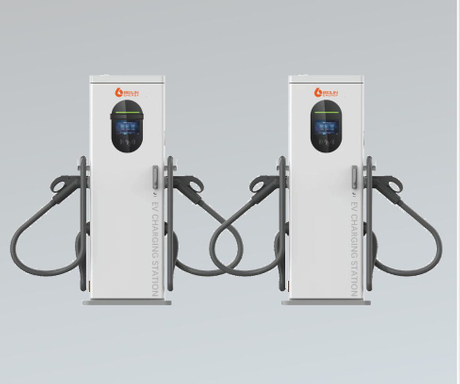
The fuel dispensing industry is evolving, with innovations such as alternative fuels and electric vehicle charging. Good fuel dispensers are adaptable to future needs, offering modular designs that can accommodate new fuel types or technologies. Investing in such equipment ensures longevity and relevance in a changing market.
For example, dispensers that can handle biofuels, hydrogen, or offer integration with electric vehicle charging stations position a fuel station at the forefront of energy transition. Considering these factors in the initial investment can provide a competitive advantage.
A good fuel dispenser is a combination of precise engineering, robust construction, and advanced technology. It ensures accurate fuel delivery, incorporates essential safety features, and integrates seamlessly with management systems. Durability and reliability minimize downtime, while an intuitive user interface enhances customer satisfaction. Compliance with regulatory standards and consideration for environmental impact are imperative.
Operators seeking to invest in quality fuel dispensers should evaluate manufacturers based on their track record, technological innovation, and support services. Companies like Guangdong Beilin Energy Equipment Co., Ltd. exemplify excellence by offering a range of fuel dispenser products designed with these principles in mind. By prioritizing these critical factors, fuel station operators can ensure efficient, safe, and profitable operations, meeting the current demands and anticipating future trends in the industry.