

Views: 215 Author: Site Editor Publish Time: 2025-10-18 Origin: Site


A collision involving a fuel dispenser is one of the most dangerous situations that can occur at a fueling station. Whether it’s a distracted driver, a mechanical failure, or a misjudged turn, striking a dispenser poses immediate fire, explosion, and environmental risks. Knowing the correct first response can prevent a minor accident from escalating into a catastrophic event. This article explores, in depth, the correct first action to take if a vehicle hits a fuel dispenser—along with practical safety measures, response protocols, and preventive insights using the advanced XF Fuel dispenser systems as a case study.
When a vehicle impacts a fuel dispenser, it’s not just property damage at stake. Fuel dispensers handle volatile hydrocarbons under pressure, and a sudden rupture can release flammable vapors that ignite within seconds. The key hazards include:
| Risk Type | Description | Potential Consequence |
|---|---|---|
| Fuel Leakage | Gasoline or diesel escaping from damaged piping or hoses | Fire, explosion, or environmental contamination |
| Electrical Sparks | Damage to internal circuits or wiring | Ignition source for vapor cloud |
| Vehicle Heat Source | Engine or exhaust near leaking fuel | Accelerated ignition risk |
| Static Electricity | Spark generation during collision or movement | Fire outbreak |
Recognizing these immediate hazards helps responders act decisively. The modern XF Fuel dispenser integrates emergency breakaway valves and automatic shut-off systems that minimize fuel flow instantly upon impact—dramatically reducing the probability of fire or explosion.
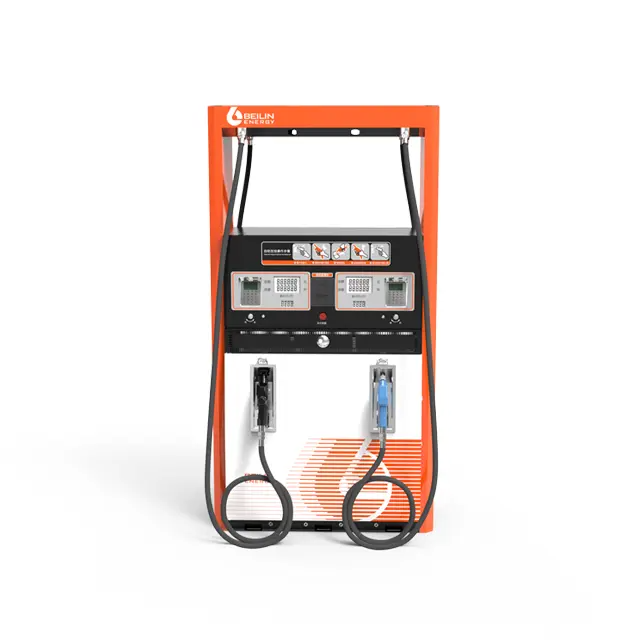
The first and most crucial action after a vehicle hits a fuel dispenser is to shut off all power sources and stop the fuel flow immediately. This single step can prevent ignition and contain further leakage.
Every fueling station is equipped with an Emergency Fuel Shutoff Switch (EFS)—usually located near the station’s entrance, inside the cashier booth, or on an exterior wall. The operator, or any trained individual, must activate this switch as soon as the impact occurs. Once triggered, it cuts electrical power to all fuel dispensers, halting pump operation and sealing the fuel lines.
The XF Fuel dispenser models are designed with intelligent cut-off circuits that respond to abnormal pressure or vibration patterns. This allows automatic disengagement of fuel supply even before manual activation occurs. However, manual verification remains essential to ensure total shutdown.
Key steps to execute immediately:
Activate the emergency shutoff switch.
Move all people and vehicles away from the dispenser.
Do not start or move any nearby vehicle until the area is declared safe.
Notify station personnel and call emergency services.
This quick reaction creates the critical time window firefighters or responders need to secure the area.
Once the power is off, evacuate everyone from the immediate danger zone—typically within a 50–100 feet radius of the damaged dispenser. Even a small fuel leak can create a large vapor cloud, which can travel and ignite at a distance from the source.
Avoid any use of mobile phones, lighters, or flashlights with exposed electrical elements. If fuel has spilled, restrict movement to prevent spreading or static buildup.
For gas stations equipped with the XF Fuel dispenser, built-in vapor recovery systems help contain airborne fuel vapors, but human caution remains essential. Staff should cordon off the area using safety cones or barricades, and signage should be placed immediately to warn approaching vehicles.
In situations where multiple dispensers are present, shutting down the entire system ensures no cross-line pressure leakage—a critical preventive step often overlooked in high-stress moments.
After ensuring the immediate safety of people on-site, the next action is to call emergency services—typically the fire department and local hazardous materials (HAZMAT) unit. Provide the following essential details:
| Information to Provide | Purpose |
|---|---|
| Station address and exact location | Directs responders quickly |
| Description of damage (e.g., "vehicle hit XF Fuel dispenser No.3") | Helps determine response type |
| Whether there is active fuel leakage or fire | Prioritizes fire or environmental response |
| Any injuries or trapped individuals | Mobilizes medical assistance |
| Actions already taken (e.g., power shut off) | Prevents duplicate risk |
Reporting promptly allows authorities to manage environmental cleanup, secure evidence for insurance, and inspect system integrity before resuming operations.
The XF Fuel dispenser design simplifies post-incident diagnostics through its digital monitoring interface, which records impact data and can transmit it to maintenance teams or authorities for assessment.
While waiting for responders, contain any visible fuel spill if it is safe to do so. Use absorbent pads, dry sand, or spill control kits—never water. Water spreads fuel and increases fire risk.
Incorporating modern XF Fuel dispenser systems can reduce spill volume significantly due to their double-sealed nozzle and emergency shutoff valves. However, even small leaks must be treated seriously.
Safe containment practices:
Apply absorbent barriers around the spill perimeter.
Avoid entering or touching spilled fuel with bare hands.
Prevent fuel from entering drains or sewers.
Keep fire extinguishers ready but use only if ignition occurs and escape is impossible.
After the spill is controlled, record the incident with photos for insurance and compliance purposes. Clean-up must be performed by certified professionals to ensure environmental safety.
Once the situation is stable and authorized personnel confirm safety, a certified technician should inspect the XF Fuel dispenser for mechanical, electrical, and software damage. Never attempt to restart or reset the system independently.
Inspection checklist includes:
| Component | Inspection Focus | Required Action |
|---|---|---|
| Dispenser body | Cracks, dents, or leaks | Replace damaged panels |
| Hoses & Nozzles | Seal integrity | Replace or recalibrate |
| Breakaway valves | Activation check | Reattach or replace |
| Electrical wiring | Insulation and continuity | Reinsulate or reconnect |
| Software system | Alarm logs and diagnostics | Reset after clearance |
Using XF Fuel dispenser’s integrated diagnostics, operators can review system logs to identify pressure drops, electrical faults, or valve activations that occurred during impact. This data-driven approach streamlines maintenance and compliance reporting.
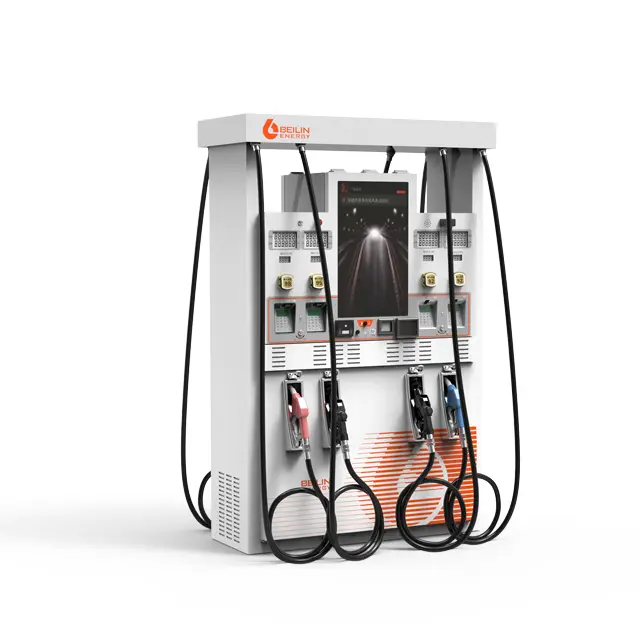
Prevention is always more cost-effective and safer than response. Many fuel station incidents result from poor vehicle alignment, unclear signage, or lack of safety barriers. To mitigate future risks:
Recommended preventive measures:
Install bollards or protective barriers around each XF Fuel dispenser.
Improve lighting and signage to guide vehicles correctly.
Train employees on emergency shutdown and first response.
Schedule regular dispenser maintenance to ensure shutoff systems function correctly.
Implement smart monitoring using XF Fuel dispenser’s IoT integration for real-time alerts.
These strategies ensure operational safety while maintaining customer confidence. Modern XF models also include automatic vehicle detection systems that can sense proximity and trigger audible alerts—reducing human error significantly.
Once immediate safety and cleanup are handled, attention must turn to legal and financial responsibilities. Typically, the vehicle owner’s insurance will cover property damage, but station owners must file reports to regulatory bodies, especially if there’s an environmental spill.
Keep detailed documentation including:
Incident report and photos
XF Fuel dispenser diagnostic logs
Fire department and HAZMAT reports
Repair invoices and maintenance records
Most jurisdictions require the site to remain closed until a safety inspection certifies the station for operation. Using a dispenser like XF Fuel dispenser, with its advanced safety certifications, can expedite this clearance process since it provides verifiable electronic safety data.
When a vehicle hits a fuel dispenser, the very first action must be to shut off all power and fuel flow immediately. This single step prevents ignition, protects lives, and minimizes damage. Evacuate the area, contact emergency services, contain spills safely, and document every detail. The XF Fuel dispenser, with its advanced shutoff and monitoring technology, demonstrates how modern engineering can greatly reduce risks during such emergencies. Preparedness, training, and technology together form the foundation of effective response and prevention.
1. What should you avoid doing after hitting a fuel dispenser?
Do not restart your vehicle, use mobile phones, or attempt to drive away. Any spark can ignite fuel vapors. Stay calm and move to a safe distance.
2. Can XF Fuel dispenser systems automatically stop fuel flow during impact?
Yes. XF Fuel dispensers include impact-sensitive valves and smart cut-off circuits that detect abnormal pressure changes and instantly stop fuel delivery.
3. Who is responsible for damages after a dispenser collision?
Typically, the vehicle owner or their insurance covers damages. However, the station owner must ensure proper incident reporting and compliance with safety regulations.
4. How often should XF Fuel dispensers be inspected for safety?
Routine safety checks should occur monthly, with professional inspections at least once per quarter or after any significant incident.
5. Why is manual power shutoff still necessary if an XF Fuel dispenser has automatic features?
Automatic systems are reliable but not infallible. Manual verification ensures all dispensers are completely isolated from the power source, providing an extra layer of safety.


