

Views: 0 Author: Site Editor Publish Time: 2025-10-13 Origin: Site


In today’s competitive retail environment, every touchpoint with customers represents an opportunity to create value. For fuel retailers, the fuel dispenser is no longer just a piece of equipment for transferring fuel from underground tanks to vehicles—it has become a sophisticated system that blends technology, data, and customer engagement. Smart fuel dispenser integration is transforming the fueling experience, enabling retailers to boost revenue, strengthen customer loyalty, and improve operational efficiency.
This article explores how integrating smart fuel dispensers can maximize retail revenue, and why forward-thinking fuel retailers are embracing this technology.
Traditionally, fuel dispensers had one purpose: deliver fuel accurately and safely. While reliability remains critical, today’s retail stations face broader challenges such as declining margins on fuel sales, increasing competition, and changing customer expectations. To remain profitable, retailers must find ways to turn fueling stations into revenue-generating hubs.
Smart dispensers address this by combining digital technology, automation, and real-time data collection. These systems can integrate with POS (point-of-sale) terminals, loyalty programs, and even mobile payment platforms—transforming the act of fueling into an opportunity for upselling and cross-selling.
Smart fuel dispensers are designed with features that go beyond pumping fuel:
Digital Displays and Advertising: High-resolution screens can showcase promotions, product offers, or loyalty rewards directly at the dispenser. Customers who spend 3–5 minutes at the pump are a captive audience, creating prime opportunities for impulse sales.
Payment Integration: Contactless and mobile payment systems make transactions quicker and more secure, enhancing customer satisfaction while reducing queues.
Data Collection and Analytics: Retailers can track sales trends, customer behaviors, and product performance. This data enables smarter inventory management and targeted promotions.
Loyalty Program Integration: Linking the dispenser to customer loyalty cards or mobile apps allows for personalized offers—such as discounts on fuel or bundled deals with convenience store products.
Remote Monitoring: IoT-enabled dispensers can alert staff about fuel levels, maintenance needs, or technical malfunctions, ensuring minimal downtime and maximum efficiency.
Fuel margins are often slim, but profits from convenience stores can significantly improve overall revenue. Smart dispensers serve as gateways for promoting in-store products. For example, when a customer fuels their vehicle, the dispenser screen can display offers on coffee, snacks, or car care items. Studies show that effective dispenser-based promotions can increase in-store traffic and boost non-fuel sales by double-digit percentages.
Retailers can also use location-based marketing strategies. With mobile app integration, a dispenser might recognize a frequent customer and offer personalized deals such as “Buy 1 coffee, get 1 free.” These tailored promotions create stronger engagement and higher conversion rates.
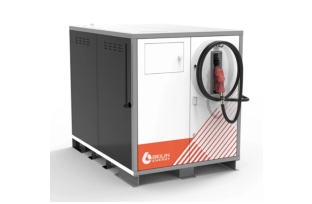
Customer experience has become a decisive factor in retail competitiveness. A smart dispenser not only provides faster, smoother transactions but also creates a more interactive and personalized fueling experience.
Features such as touchscreens, language customization, and easy navigation make fueling more user-friendly. For environmentally conscious customers, dispensers can display carbon footprint information or highlight eco-fuel options—adding an element of transparency and trust.
By elevating the fueling process from a simple transaction to an engaging experience, retailers can differentiate themselves from competitors.
Smart fuel dispensers also support backend efficiency, which translates into cost savings and higher margins. By leveraging digital technologies, fuel retailers can streamline day-to-day operations, minimize resource waste, and create a more resilient fueling infrastructure.
Real-time Inventory Tracking
Automatic updates on fuel stock levels prevent shortages and optimize replenishment schedules. Instead of relying on manual checks or waiting for visible shortages, smart dispensers provide accurate, up-to-the-minute fuel level data. This not only reduces the risk of lost sales but also enables station managers to negotiate better delivery terms with suppliers by forecasting demand more accurately.
Predictive Maintenance
IoT-enabled sensors embedded in modern fuel dispensers continuously monitor performance indicators, such as pump pressure, temperature, and nozzle activity. Early detection of wear or malfunctions allows retailers to schedule maintenance before a breakdown occurs. This predictive approach reduces downtime, prevents emergency repair costs, and helps extend the equipment’s overall lifespan.
Energy Efficiency
New-generation dispensers are designed with energy-saving components, such as variable-speed motors and optimized cooling systems. By consuming less energy during operation, they lower utility bills and support broader sustainability goals. For retailers, this can be a valuable differentiator as customers increasingly favor businesses that prioritize eco-friendly practices.
Labor Optimization
With automated payment processing, digital monitoring, and centralized data collection, staff no longer need to manually check fuel levels, manage transactions, or spend excessive time on troubleshooting. This allows employees to focus on customer service or value-added sales, ultimately improving workforce productivity without increasing labor costs.
Improved Compliance and Reporting
Smart dispensers can automatically generate compliance reports regarding fuel sales, tax calculations, and safety checks. This reduces the administrative burden on managers and ensures stations meet regulatory requirements with minimal manual input. Lower compliance-related errors also save potential penalty costs.
These operational improvements not only support profitability but also ensure reliability—something customers value highly when choosing a fueling station. By integrating these technologies, retailers can create a fueling experience that is both cost-efficient and customer-centric.
Revenue growth is not just about attracting customers but retaining them. By integrating dispensers with CRM systems and loyalty apps, retailers can build long-term relationships. Personalized discounts, digital coupons, and exclusive promotions encourage repeat visits and sustained engagement.
Moreover, smart fuel dispenser data allows retailers to understand customer habits better. For instance, a retailer might identify peak fueling hours, common purchase pairings, or regional preferences. This knowledge can be applied to marketing strategies, staff scheduling, and product placement.
The evolution of smart dispensers is ongoing, and the future holds even more potential for maximizing retail revenue:
Artificial Intelligence (AI): AI-driven analytics will enable predictive marketing, adjusting promotions in real time based on customer demographics and behaviors.
Integration with EV Charging: As electric vehicles gain traction, hybrid dispenser systems may offer both fuel and charging options—appealing to a wider customer base.
Augmented Reality (AR) Experiences: Imagine customers engaging with interactive AR content through dispenser screens, creating unique promotional opportunities.
Sustainability Features: More dispensers will highlight eco-friendly fuel options or integrate carbon offset programs to appeal to conscious consumers.
Retailers who invest in smart systems today will be better positioned to adopt these innovations tomorrow.
Fuel dispensers are no longer just equipment for transferring fuel—they are strategic assets that can drive sales, improve efficiency, and enhance customer loyalty. By embracing smart dispenser integration, fuel retailers can maximize revenue opportunities both at the pump and inside the store, all while delivering a more engaging customer experience.
For businesses exploring advanced fueling solutions, Guangdong Beilin Energy Equipment Co., Ltd. is one option worth considering. The company focuses on modern energy equipment and offers practical solutions that align with the growing demand for efficiency and smart technology in retail fueling. Connecting with them may help retailers find systems that not only improve fueling operations but also unlock new revenue streams for the future.
