

Views: 0 Author: Site Editor Publish Time: 2026-01-26 Origin: Site


As electric vehicles (EVs) become more popular, the demand for fast, efficient charging is skyrocketing. But how do 120kW EV chargers work, and why are they the future of EV charging?
In this article, we’ll uncover how the EV charger VDC-120kW operates, its benefits, and why it's quickly becoming the go-to choice for businesses and public charging stations.
Keep reading to learn why 120kW chargers are essential for the future of electric transportation.
At the core of EV adoption is the charging infrastructure. EV charging stations are responsible for supplying the electrical power required to charge the batteries of electric vehicles. These stations come in various levels of charging power, ranging from Level 1 to Level 3:
Charging Level | Power Output | Typical Use |
Level 1 | 120V (AC) | Home charging (slow) |
Level 2 | 240V (AC) | Home and public charging (moderate) |
Level 3 | 400V-800V (DC) | Public DC fast charging (high-speed) |
The 120kW EV charger is a DC fast charging station, designed for high-speed charging to accommodate the needs of both commercial fleets and public charging stations.
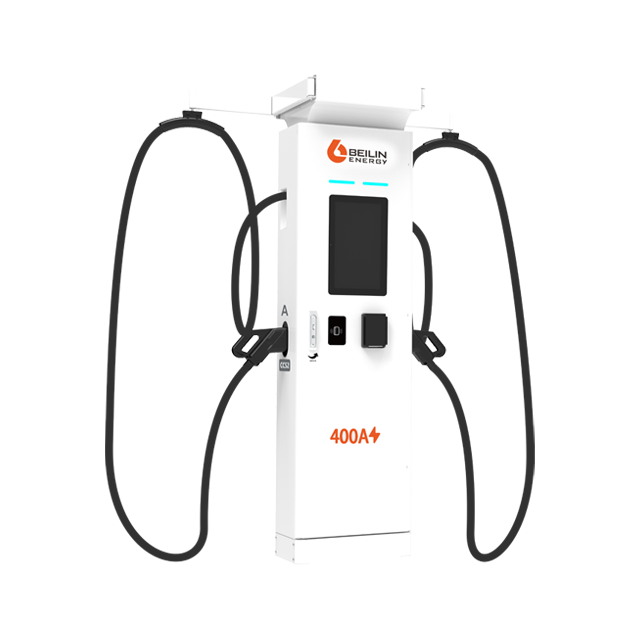
The VDC-120kW EV charger is engineered to provide high-powered direct current (DC) to EVs, reducing the overall charging time significantly. Unlike Level 1 and Level 2 chargers that use alternating current (AC), the VDC-120kW charger uses DC fast charging to deliver up to 120 kilowatts of power directly to the vehicle’s battery. This allows an EV to be charged at much faster speeds, which is essential for busy public charging stations and commercial operations.
This charger typically uses high voltages, with 380V input voltage and 200V-1000V DC voltage range, offering a robust solution for various vehicle types, including those requiring higher power.
When an EV plugs into a 120kW charging station, the process begins with the connection of the vehicle to the charging unit. Here is a step-by-step breakdown of the charging process:
1. Connection: The EV is plugged into the 120kW charger using the standard DC fast charging plug (such as CCS or CHAdeMO).
2. Communication: The charging station communicates with the EV to ensure compatibility, check the battery's current state of charge (SOC), and determine the maximum charging capacity.
3. Power Transfer: The 120kW charger begins transferring DC power to the EV's battery, rapidly charging it.
4. Monitoring and Adjustment: The charger continuously monitors the charging process, adjusting voltage and current as necessary to avoid overcharging and to ensure battery health.
5. Completion: Once the battery reaches the desired state of charge, the system automatically stops the flow of electricity, and the vehicle is safely disconnected.
The 120kW charger operates using DC fast charging technology, which delivers higher voltage and current directly to the EV's battery. This method reduces the amount of time required to reach a full charge compared to traditional AC chargers.
Specification | VDC-120kW |
Input Voltage | 380V |
Voltage Range | 200V-1000V DC |
Charging Gun | 2 guns |
Output Power | 120kW |
Frequency | 45Hz-65Hz |
Operating Temperature | -25°C to +50°C |
In the case of the EV charger VDC-120kW, the charging station typically delivers between 400V to 800V DC, depending on the vehicle's requirements. The high-voltage DC power allows for quicker charging, making it ideal for long-distance EV drivers and fleet operators who need rapid recharges.
Example: A 120kW EV charger can charge a vehicle’s battery from 20% to 80% in approximately 30-45 minutes, whereas a Level 2 charger might take several hours to accomplish the same task.
The EV charger VDC-120kW provides a superior charging experience compared to lower-powered chargers, such as 60kW-180kW rated chargers. Although chargers with higher power ratings (like 180kW) exist, the 120kW charger strikes an optimal balance between speed and energy efficiency.
For example, common EV models, like the Tesla Model 3 or Nissan Leaf, can be charged from 20% to 80% in just under 45 minutes using a 120kW DC fast charger. This is a significant improvement over lower-powered options, reducing waiting times for drivers and increasing the overall convenience of public charging stations.
The primary advantage of using a 120kW charger is the speed at which it charges vehicles. For commercial and public charging stations, this rapid charging capability ensures that EV owners can charge their vehicles in a fraction of the time required by lower-powered chargers. This feature is especially beneficial for ev super charging stations that cater to high volumes of drivers who need quick recharges during busy hours.
For businesses with electric vehicle fleets, having access to 120kW chargers means less downtime for vehicles and more efficient operations. A multiple gun head electric vehicle charging pile (i.e., a charging station with several ports) allows multiple vehicles to charge simultaneously, maximizing productivity.
One of the significant benefits of the EV charger VDC-120kW is its versatility. It supports multiple EV models with different battery requirements. Charging stations with 120kW DC charging piles are typically compatible with 60kW-180kW rated power vehicles, ensuring that a wide variety of electric cars can be charged efficiently. The universal standards of connectors such as CCS and CHAdeMO further improve the accessibility of these chargers for all EV users.
The EV charger VDC-120kW incorporates several safety features to ensure safe and reliable operation. These include overcurrent protection, thermal regulation, and fault detection systems that automatically shut down the charging process if any irregularities are detected. These protocols ensure that both the charger and the vehicle are protected from potential damage.
In addition to its physical safety features, the EV charger VDC-120kW offers smart charging capabilities. These chargers can be connected to a network for remote monitoring, troubleshooting, and performance tracking. This feature is especially valuable for businesses that need to monitor the status of multiple charging stations at once.
Moreover, dynamic load balancing ensures that the electrical grid is optimized, preventing overloads while allowing more vehicles to charge simultaneously.
Built for both indoor and outdoor use, the 120kW chargers are designed to be weather-resistant, making them ideal for public EV charging stations. The units are constructed to endure harsh environmental conditions, ensuring reliable service no matter the location.
The 120kW EV chargers are ideal for businesses and commercial fleet operations, where high-volume, fast recharging is necessary. Installing DC fast charging piles at fleet depots or commercial locations ensures that electric vehicles can be recharged quickly and efficiently, keeping business operations running smoothly.
Strategically placed 120kW EV chargers at highway rest stops and urban locations make long-distance travel and city commuting more convenient for EV owners. These chargers are typically located in high-traffic areas, ensuring that EV drivers can recharge during pit stops.
While 120kW chargers are mainly for commercial and public use, there is growing interest in their use in residential installations. Homeowners with large battery electric vehicles (BEVs) may opt for 120kW chargers if they desire fast charging at home. These stations can be installed in driveways or garages, though they require substantial electrical infrastructure.
The initial installation of 120kW chargers involves substantial costs, including purchasing the equipment, electrical upgrades, and installation labor. While costs can vary, 120kW chargers typically have a higher upfront investment compared to 60kW chargers.
Ongoing maintenance is essential to keep the 120kW chargers running smoothly. These chargers typically require less frequent maintenance than lower-powered options, but they do require periodic inspections, software updates, and hardware servicing.
For businesses, investing in 120kW chargers can provide significant returns through increased customer traffic and faster charging times. Charging stations often generate revenue through charging fees, and the faster the service, the more customers can be served per day, ultimately enhancing the ROI.
The future of 120kW chargers includes improvements in charging efficiency, as well as integration with renewable energy sources like solar power. Advances in battery technology will also make 120kW chargers more efficient, reducing charging times even further.
As the adoption of electric vehicles grows, so too will the need for more 120kW EV chargers. Governments and private entities are expected to expand their networks, making fast-charging stations more accessible across the country.
Incorporating solar and wind energy into 120kW EV chargers will further reduce the carbon footprint of electric vehicles. By using green energy, EV charging stations can help promote sustainable driving practices.
The adoption of 120kW EV chargers represents a crucial step forward in the transition to electric vehicles. With faster charging, enhanced safety, and smart features, 120kW chargers are poised to meet the growing demand for fast, reliable EV charging. For businesses, public stations, and residential users, the EV charger VDC-120kW from Guangdong Beilin Energy Equipment Co., Ltd. provides a compelling solution for ensuring that electric vehicles are ready to go when needed.
By embracing 120kW chargers, we can make a significant impact on the widespread adoption of electric vehicles, ensuring a cleaner, greener future for all.
A: A 120kW EV charging station is a DC fast charger designed to deliver high-powered direct current (DC) to electric vehicles. It provides fast charging, typically reducing charging times to under 45 minutes for an 80% charge.
A: The EV charger VDC-120kW uses high-voltage DC power to charge EV batteries quickly. By providing up to 120kW of power, it significantly reduces charging time compared to slower AC chargers.
A: The 120kW DC charging pile offers rapid charging, reducing wait times for EV owners. It supports multiple gun heads electric vehicle charging pile setups, allowing multiple vehicles to charge simultaneously.
A: Yes, the EV charger VDC-120kW supports various electric vehicle models, including those with different battery capacities. It works with CCS, CHAdeMO, and other standard connectors.
A: 60kW-180kW rated power chargers, including 120kW chargers, offer a balance of charging speed and energy efficiency, making them ideal for commercial and public EV charging stations.


